Physical Address
304 North Cardinal St.
Dorchester Center, MA 02124
Physical Address
304 North Cardinal St.
Dorchester Center, MA 02124


South African households are getting better at hedging against failing utilities. Many homes now have an inverter and panels, and a growing number have a JoJo tank or two, a rainwater setup, or a borehole. Yet many of these homes…
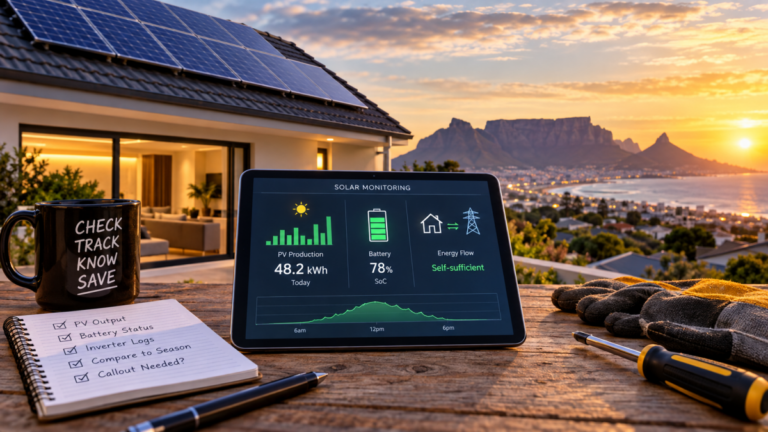
Most South African solar owners fall into the same routine within a month of commissioning. They open the app, glance at the flow diagram, see energy moving in roughly the right direction, and close it again. The system either works…

Every solar quote in this country ends at the same place. Panels, inverter, battery, certificate of compliance, sign here. Almost nobody hands you the second half of the arithmetic, which is what happens in year eight when the pack that cost you a third of the system budget is quietly delivering two thirds of what it used to. If you are still at the planning stage, our breakdown of the more affordable way to go solar in South Africa covers how to size the system in the first place. This piece is about what happens to it afterwards.

There is a particular moment that every South African with a decent solar array eventually recognises, whether the roof is in Centurion, Somerset West, Hillcrest or halfway up a farm road outside Bethlehem. It is about eleven in the morning on a clear day. The battery hit 100 percent an hour ago. The geyser is hot. Nothing much is running in the house. And the inverter is quietly throttling the array back because there is simply nowhere for the power to go.
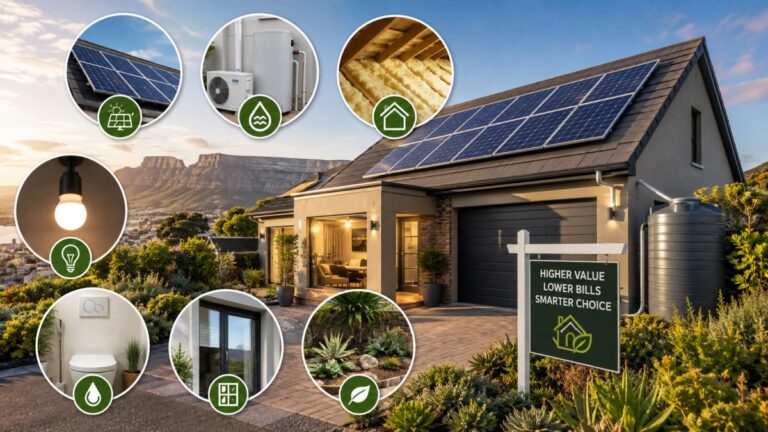
Most South Africans have been sold green upgrades badly. The pitch usually arrives wrapped in polar bears and carbon guilt, and it lands on a household that is already watching the municipal bill climb faster than the salary. If you have ever rolled your eyes at a solar quote, that reaction is reasonable. Plenty of eco spending in this country is expensive theatre.
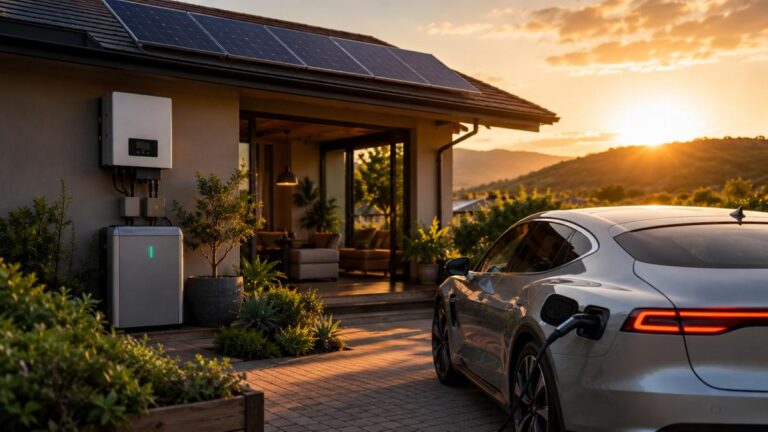
Every EV-and-solar article you'll find online assumes you're starting from a blank slate: 10kW arrays, dedicated 15kWh batteries, three-phase supply. Fine if you're building from scratch. Less useful if you already run a modest hybrid system sized for the house, and you're now wondering whether it can stretch to cover a daily commute too — without a second inverter, a second battery bank, and a second mortgage...

There is a genre of video doing the rounds at the moment that promises you free electricity from dirt. The formula is always the same. A folksy old man on a farm somewhere, a suppressed government document with an invented reference number, a hardware list under a hundred dollars, and a cliffhanger before the build instructions that conveniently sits behind a paid manual. The claim is that twelve copper and zinc electrodes buried in your yard will run your workshop lights, your USB chargers and your security cameras indefinitely, and that the utility industry has spent two centuries hiding this from you.

Every South African home throws away two things at once: a bin full of food scraps headed for the landfill, and money on a gas bottle or an electricity account that climbs every year. A biogas digester closes that loop. You feed it the peelings, the plate scrapings and the garden waste, it hands back gas you can cook on, and what's left over comes out as a rich liquid fertiliser for the veg patch. Nothing wasted, the cycle running on what your household already produces daily.
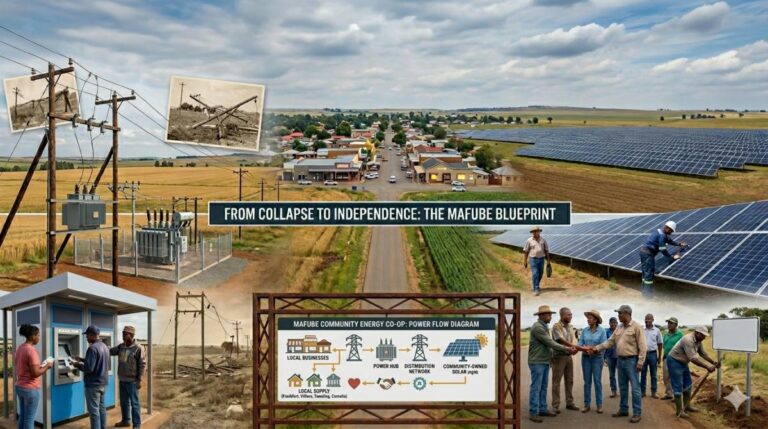
There is a small municipality in the Free State that did something almost no other community in South Africa has managed to do: it stopped waiting. While towns across the country sink under collapsing infrastructure, dry taps, sewage in the streets and municipal debt that runs into the billions, the towns of the Mafube Local Municipality — Frankfort, Villiers, Tweeling and Cornelia — quietly went the other way. The grid got rebuilt. The lights stayed on more often. Bills got paid. And eventually, the community started generating its own electricity.
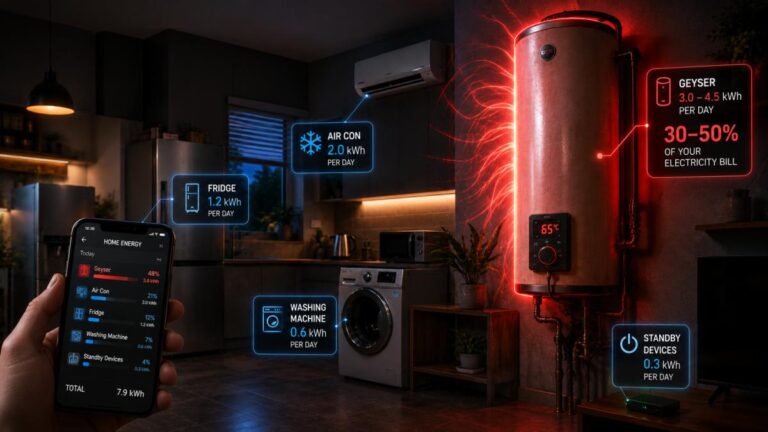
Eskom tariffs keep climbing, municipal markups stack on top, and most of us only really notice the damage once the prepaid meter starts demanding another voucher far sooner than expected. If you have ever wondered which appliance in your home is the actual villain behind those rising costs, the good news is that you can stop guessing. There are three practical tools available to South African households for measuring electricity use, and each one tells a different story about where your money is going.