Physical Address
304 North Cardinal St.
Dorchester Center, MA 02124
Physical Address
304 North Cardinal St.
Dorchester Center, MA 02124


A root cellar keeps your potatoes sound through winter, and a zeer pot will hold a week of greens through an outage. Neither will save a freezer full of meat when the power goes and stays gone. Meat needs a…
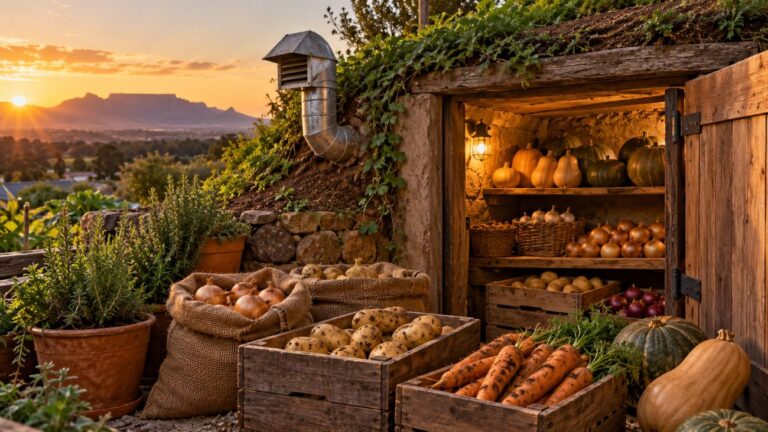
Every root cellar guide you will find online starts with the same number: keep your vegetables between 0°C and 4°C. The University of Alaska Fairbanks Cooperative Extension guide to root cellar storage gives exactly that range as the optimum for…

Most South African households already own an emergency food supply. It is sitting in the freezer, it is worth several thousand rand, and it will be worthless about forty-eight hours after the power stops for real. That is the uncomfortable…

Every preserving guide you will find online was written for somebody living near the sea. That is not a small detail. It is the reason a jar of Highveld tomato sauce can look perfect, seal with a satisfying pop, and still be quietly unsafe six months later. Before you buy a single Consol jar, you need to understand what altitude does to your kitchen, what a dry inland winter does to drying racks, and why the fermentation traditions already sitting in this country are better suited to our climate than anything imported from a Brooklyn cookbook.
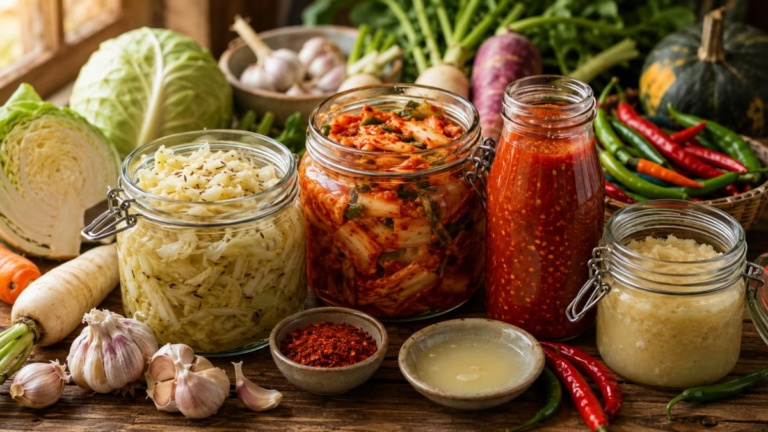
In part one we covered the foundation: the two percent salt rule, the submerge rule, and a Highveld sauerkraut that teaches your hands what a healthy ferment looks and smells like. Everything from here is a variation on that same theme. What changes is the vegetable, the seasoning, and how you use the result. This is where fermenting stops being a preservation chore and starts being a genuine kitchen upgrade. The condiments below are the ones you currently pay a premium for at the supermarket, in small jars, with ingredient lists you did not write. Made at home from garden produce, they cost almost nothing and taste considerably better.
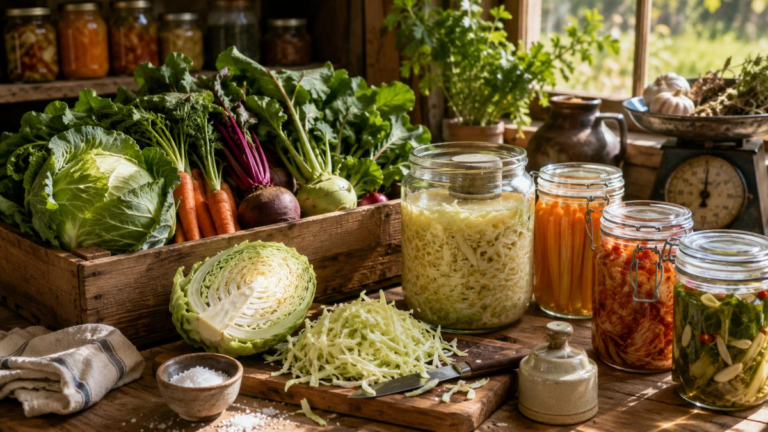
A full box of vegetables from your garden is a wonderful problem to have until week two, when half of it is soft and the other half has gone to the compost heap. Fresh produce keeps you honest for a few days and then it starts working against you. Fermenting changes that maths completely. With nothing more than salt, water, and a jar, you can turn a summer glut of cabbage or a winter surplus of carrots into food that stays good on a shelf for months, needs no electricity, and quietly rebuilds the kind of pantry that stops you running to the shops every time a recipe calls for something.

Solar panels and a rocket stove cover two of the three legs of household independence in South Africa. Power and cooking. The third leg, which most households still leave entirely to a municipal pipeline, is water. And in a year where Rand Water has pushed through a 15.3% tariff increase and municipalities across the country are passing the cost through to ratepayers, leaving that pipeline as your only source is starting to look both expensive and risky. Rainwater harvesting is not a fringe hippie project. Done correctly, it is a pragmatic infrastructure decision with a calculable payback period, and most of South Africa's climate is far better suited to it than people assume.
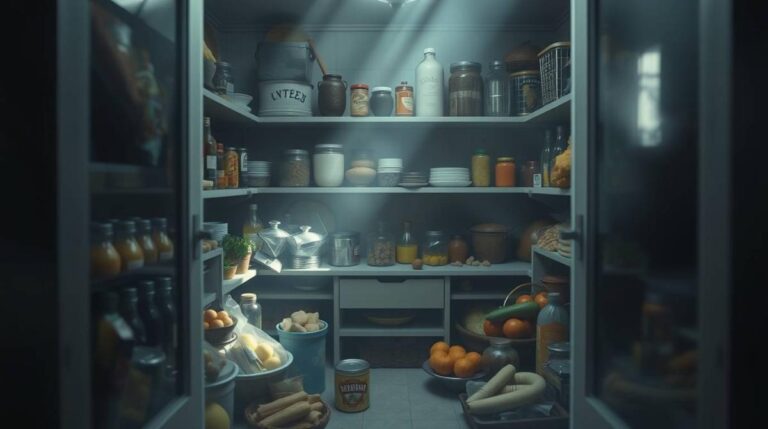
In February 2026, the average South African household food basket cost R5,383.81 per month. That number has increased by 75% since 2018. Wages have not kept up. Social grants have not kept up. And every time there is a fuel price hike, a drought, a port strike, or a supply chain disruption, the food you depend on either disappears from the shelf or jumps in price overnight.