Physical Address
304 North Cardinal St.
Dorchester Center, MA 02124
Physical Address
304 North Cardinal St.
Dorchester Center, MA 02124

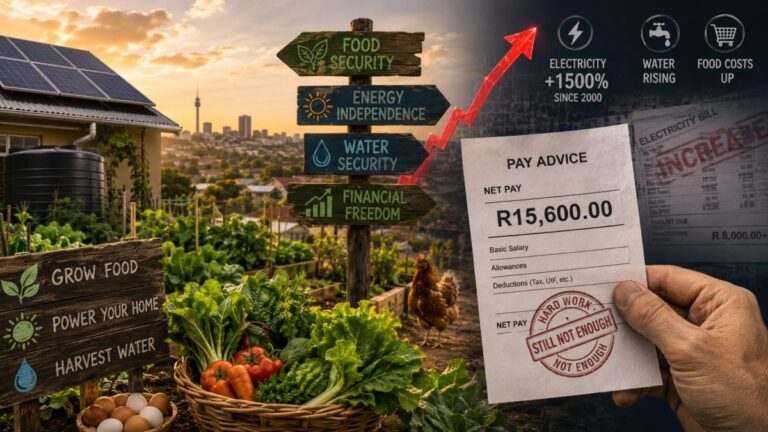
There is a number floating around right now that should make every working South African stop and do some arithmetic. According to the Living Wage South Africa Network, a single person needs to take home around R20,000 net per month to live what they call a humble but decent life. That is after tax and deductions, before any benefits like medical aid. The network arrived at the figure by surveying 2,000 people and finding that those below R14,000 a month generally could not live decently, while those above R25,000 mostly could. R20,000 is the midpoint.
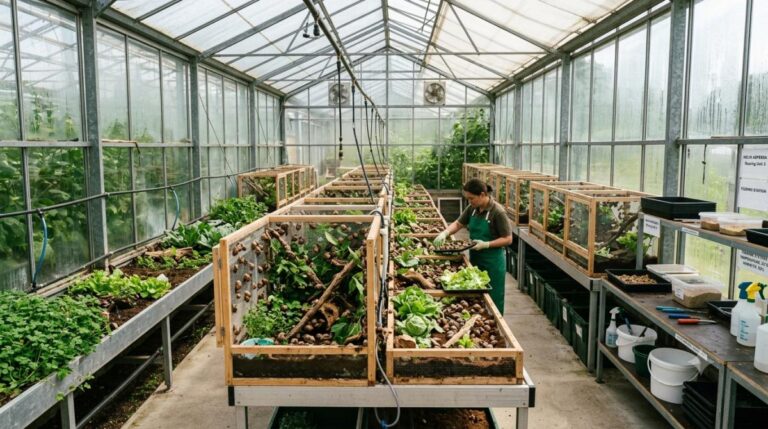
A snail farm near Centurion has been quietly turning a backyard greenhouse into a working business, and the headline numbers from operations like it are eye-catching enough to pull anyone in. But before you picture a money tree made of shells, it helps to flip the question around. Strip out the sales pitch and ask what a small snail colony actually does for a self-sufficient homestead, and you land somewhere more useful than a get-rich-quick scheme. Snails are not really a casual food crop in our climate. They are, however, a genuinely interesting node in a closed-loop garden system, a source of a high-value skincare ingredient, and only then, with serious infrastructure, a possible income stream.

In the quest for greater self-reliance, many South Africans are looking beyond traditional utilities and finding creative ways to meet everyday needs. One surprising ally in this pursuit is the FNB eBucks loyalty programme. While most people associate eBucks with discounts on groceries or fuel, a growing number of self-sufficiency enthusiasts are discovering that those points can be redirected toward the things that actually build resilience: solar batteries, water harvesting systems, and the tools that keep a homestead productive. This article looks at how you can turn everyday spending into a tangible boost for your homestead, drawing on real-world examples while offering a fresh angle for the self-reliant household.
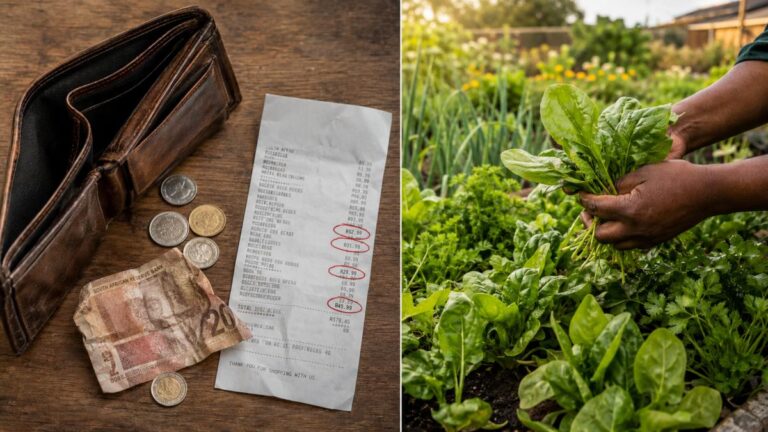
The phrase has gone viral for a reason. Mampara week, that stretch between when the money runs out and when the next salary lands, has become the shared joke and shared trauma of South African working life. Recent commentary from debt counsellors confirms what most households already know: more than six in ten of us run out of money before month-end, and many burn through it within the first week of payday. The usual advice is to track every rand, lock down spending for the first five days, and prioritise essentials. Useful, but incomplete. Tracking shows you the bleeding. It doesn't stop it. If your fixed debit orders eat most of your salary the moment it lands, no amount of mindful budgeting in the remainder will get you ahead. Self-sufficiency is the lever the budgeting conversation almost never reaches for. It works on the supply side of your household economy, not the discipline side. And critically, it works at every income level.

On 1 April 2026, petrol 95 in Gauteng jumps from R20.19 to over R25 per litre. Diesel is climbing by as much as R10. This is not a routine monthly adjustment. It is one of the most aggressive fuel price increases in South African history, driven by the war between the United States, Israel, and Iran that has pushed global oil prices above $100 per barrel and weakened the rand to over R17 to the dollar.
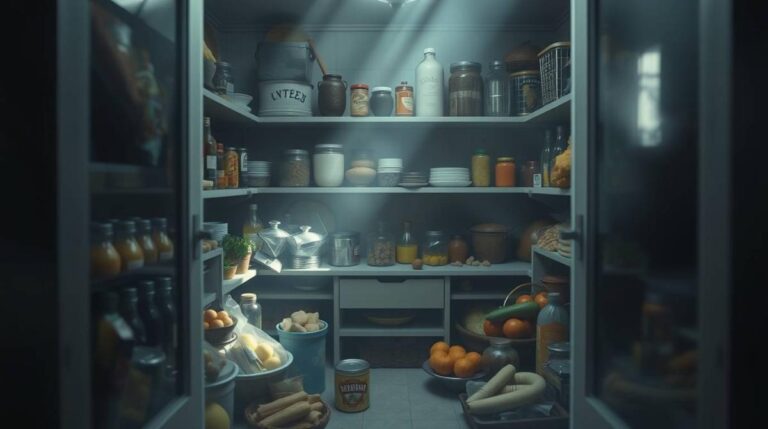
In February 2026, the average South African household food basket cost R5,383.81 per month. That number has increased by 75% since 2018. Wages have not kept up. Social grants have not kept up. And every time there is a fuel price hike, a drought, a port strike, or a supply chain disruption, the food you depend on either disappears from the shelf or jumps in price overnight.