Physical Address
304 North Cardinal St.
Dorchester Center, MA 02124
Physical Address
304 North Cardinal St.
Dorchester Center, MA 02124


There is a particular kind of unease that settles in when you read that the bread in your kitchen, the maize meal in your pantry, and the jar of food you spoon into a toddler's mouth all carry traces of farm chemicals. That unease is exactly what landed on South African kitchen tables in June 2026, when independent laboratory testing commissioned by a Johannesburg research and advocacy organisation found pesticide residues in the overwhelming majority of everyday supermarket foods it sampled. The headline number was hard to ignore: residues turned up in 86 percent of the products tested.

The cost of living has crept into every corner of South African life. We feel it queuing at the fuel pump, and we feel it again at the supermarket till when the same trolley costs more than it did a few months ago. When every rand has to stretch further at home, the giving that many of us would do for a good cause naturally gets squeezed, and the organisations that depend on that generosity feel the pinch long before the rest of us notice.
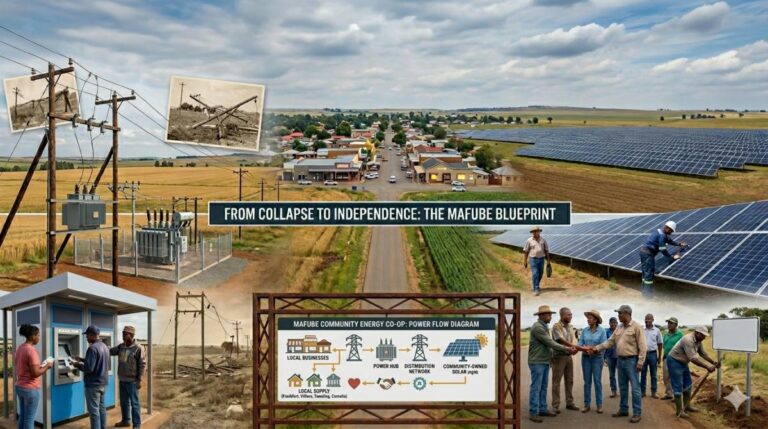
There is a small municipality in the Free State that did something almost no other community in South Africa has managed to do: it stopped waiting. While towns across the country sink under collapsing infrastructure, dry taps, sewage in the streets and municipal debt that runs into the billions, the towns of the Mafube Local Municipality — Frankfort, Villiers, Tweeling and Cornelia — quietly went the other way. The grid got rebuilt. The lights stayed on more often. Bills got paid. And eventually, the community started generating its own electricity.
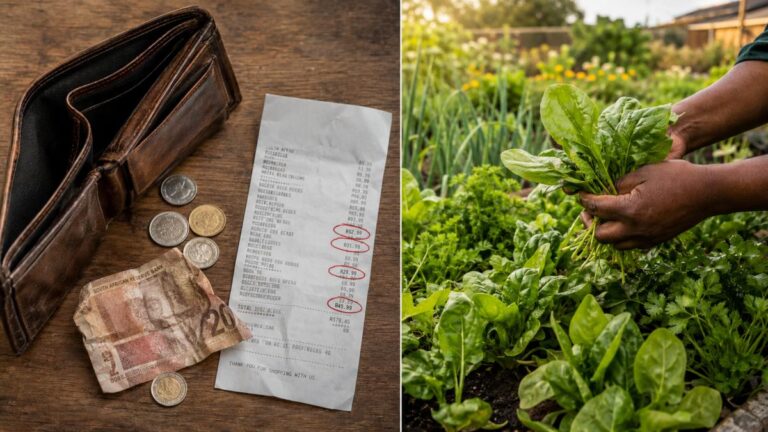
The phrase has gone viral for a reason. Mampara week, that stretch between when the money runs out and when the next salary lands, has become the shared joke and shared trauma of South African working life. Recent commentary from debt counsellors confirms what most households already know: more than six in ten of us run out of money before month-end, and many burn through it within the first week of payday. The usual advice is to track every rand, lock down spending for the first five days, and prioritise essentials. Useful, but incomplete. Tracking shows you the bleeding. It doesn't stop it. If your fixed debit orders eat most of your salary the moment it lands, no amount of mindful budgeting in the remainder will get you ahead. Self-sufficiency is the lever the budgeting conversation almost never reaches for. It works on the supply side of your household economy, not the discipline side. And critically, it works at every income level.
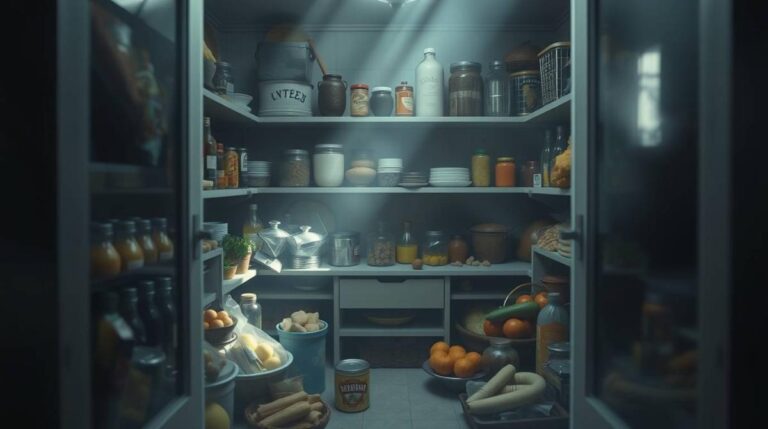
In February 2026, the average South African household food basket cost R5,383.81 per month. That number has increased by 75% since 2018. Wages have not kept up. Social grants have not kept up. And every time there is a fuel price hike, a drought, a port strike, or a supply chain disruption, the food you depend on either disappears from the shelf or jumps in price overnight.

You can grow a meaningful amount of food on a single apartment balcony in Johannesburg, and the numbers work out to roughly R500 worth of fresh produce every month once your plants are established. Not because balcony gardening is some kind of miracle, but because the most expensive items at the supermarket, fresh herbs, salad greens, tomatoes, chillies, and spring onions, are also the easiest and cheapest things to grow in containers.

Walk through any township, suburb, roadside verge, or vacant lot in South Africa and you will find blackjack. It grows in pavement cracks. It grows in abandoned fields. It grows along railway lines, in garden borders, between rows of maize, and in every patch of disturbed soil from the Cape to Limpopo. Every South African knows it because of the tiny black seeds with barbed bristles that stick to your socks, your trousers, and your dog's fur.