Physical Address
304 North Cardinal St.
Dorchester Center, MA 02124
Physical Address
304 North Cardinal St.
Dorchester Center, MA 02124


Most South Africans know spekboom as the carbon-sucking succulent that gets planted at corporate green days and Earth Hour events. What gets forgotten in all the climate hype is that Portulacaria afra has been feeding people, livestock, and wildlife on this land for thousands of years. Long before it became a poster plant for offset schemes, the Khoi and San harvested its tangy leaves on long treks across the Eastern Cape, and Karoo farmers leaned on it through brutal droughts when nothing else would grow. For anyone serious about food resilience, that history matters. A plant that survives on minimal rainfall, propagates from a broken twig, lives for two centuries, and packs more vitamin C than most lettuce deserves more than a token shrub in the corner of the garden. It deserves a place in the survival pantry.
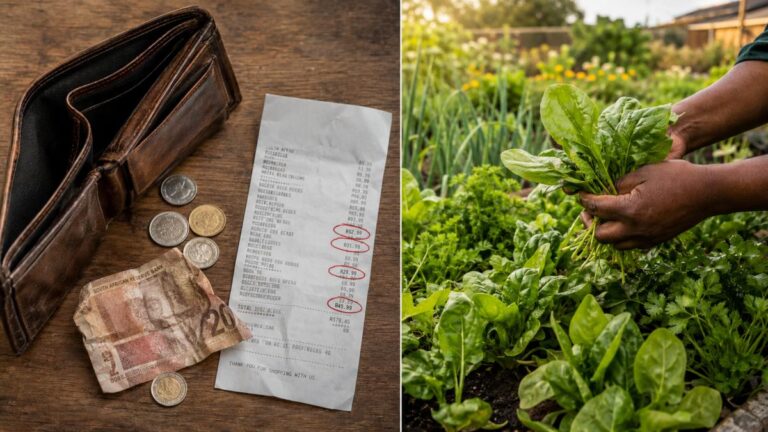
The phrase has gone viral for a reason. Mampara week, that stretch between when the money runs out and when the next salary lands, has become the shared joke and shared trauma of South African working life. Recent commentary from debt counsellors confirms what most households already know: more than six in ten of us run out of money before month-end, and many burn through it within the first week of payday. The usual advice is to track every rand, lock down spending for the first five days, and prioritise essentials. Useful, but incomplete. Tracking shows you the bleeding. It doesn't stop it. If your fixed debit orders eat most of your salary the moment it lands, no amount of mindful budgeting in the remainder will get you ahead. Self-sufficiency is the lever the budgeting conversation almost never reaches for. It works on the supply side of your household economy, not the discipline side. And critically, it works at every income level.
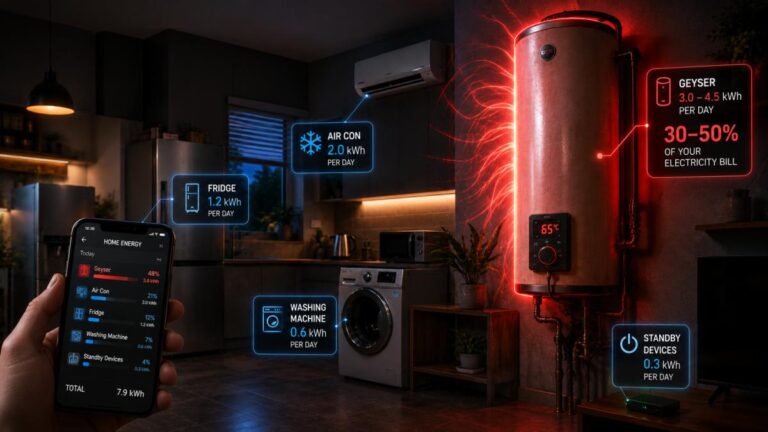
Eskom tariffs keep climbing, municipal markups stack on top, and most of us only really notice the damage once the prepaid meter starts demanding another voucher far sooner than expected. If you have ever wondered which appliance in your home is the actual villain behind those rising costs, the good news is that you can stop guessing. There are three practical tools available to South African households for measuring electricity use, and each one tells a different story about where your money is going.

The power cuts we braced ourselves through for years at least followed a schedule. You knew Stage 4 meant six hours without electricity, and you planned around it. The water crisis unfolding across South African municipalities in 2026 is different. There is no schedule. There is no app. The tap runs, and then one morning it does not, and nobody can tell you when it will again.
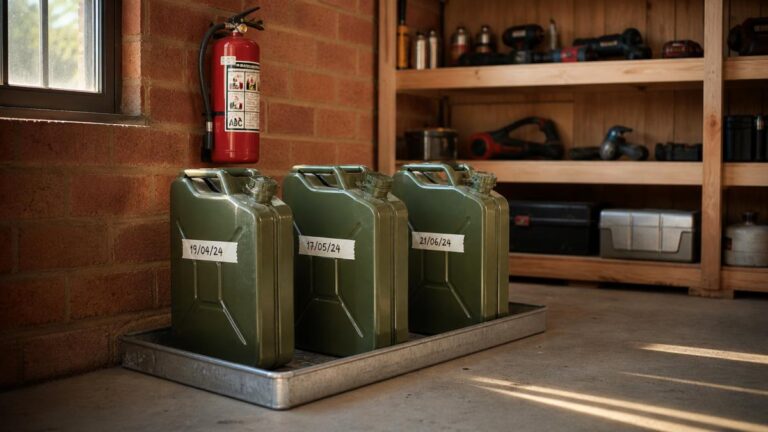
When the queues started forming at filling stations during the unrest of July 2021, the loadshedding-driven generator fuel runs of 2023, and again during the Middle East jitters of 2024 and 2025, a lot of South Africans made the same decision: keep some fuel at home. Smart move in principle. The trouble is that most people doing it are breaking by-laws they have never read, voiding their home insurance without realising it, and stashing fuel that will already be going stale by the time they need it. This guide unpacks two questions every prepared South African household should be able to answer. How much petrol or diesel can you legally store at home? And how long will it actually still work when you pour it into your car or generator months later?

Your geyser is quietly draining your wallet. Every single day. While you sleep, while you are at work, while you are out living your life, your geyser is cycling on and off, using electricity to keep water hot that nobody is using. For most South African households, the geyser accounts for around 40% of the monthly electricity bill. That is not a small number. That is a number worth doing something about.
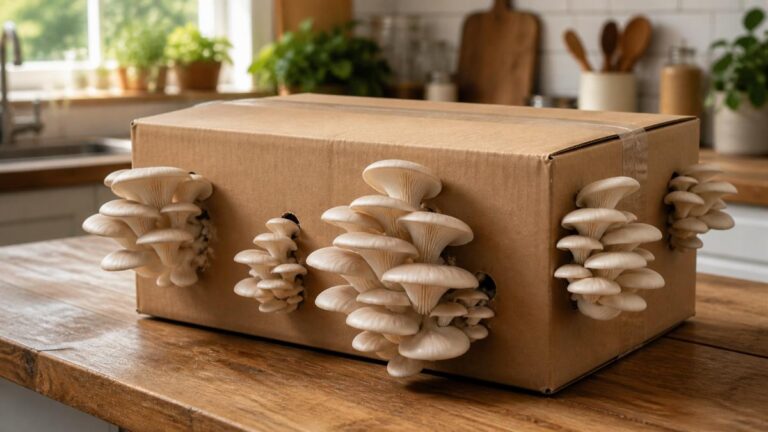
Gourmet mushrooms have quietly become one of the more expensive items in the fresh produce aisle. At most South African retailers, oyster mushrooms can set you back anywhere from R80 to R150 per 200g punnet. That adds up fast, especially when you start using them regularly in cooking. What most people do not know is that cardboard, the kind your last online order arrived in, is one of the most effective growing substrates for oyster mushroom mycelium. With a few rand worth of spawn and a recycled box, you can produce several kilograms of fresh mushrooms every month, right inside your home.

Most households in South Africa spend a surprising amount on commercial toothpaste every year. When you multiply the cost of a tube by the number of people in your home and by twelve months, it adds up. And that is before you consider what you are actually putting in your mouth. Fluoride debates aside, the average commercial toothpaste contains a list of synthetic ingredients that many people would rather avoid. The good news is that making your own toothpaste at home requires only three basic ingredients, costs almost nothing, and genuinely works. This article walks you through exactly how to do it.

Solar panels and a rocket stove cover two of the three legs of household independence in South Africa. Power and cooking. The third leg, which most households still leave entirely to a municipal pipeline, is water. And in a year where Rand Water has pushed through a 15.3% tariff increase and municipalities across the country are passing the cost through to ratepayers, leaving that pipeline as your only source is starting to look both expensive and risky. Rainwater harvesting is not a fringe hippie project. Done correctly, it is a pragmatic infrastructure decision with a calculable payback period, and most of South Africa's climate is far better suited to it than people assume.

There is a strange disconnect in modern South African life. We have spent the past three years watching egg prices swing wildly. We have lived through avian flu shortages where Pick n Pay shelves stood empty. We have absorbed feed inflation, fuel surcharges, and load shedding penalties baked into every dozen we buy. And yet the obvious answer, the one our grandparents would not have thought twice about, is sitting in the back garden behind a low fence: keep your own hens.