Physical Address
304 North Cardinal St.
Dorchester Center, MA 02124
Physical Address
304 North Cardinal St.
Dorchester Center, MA 02124

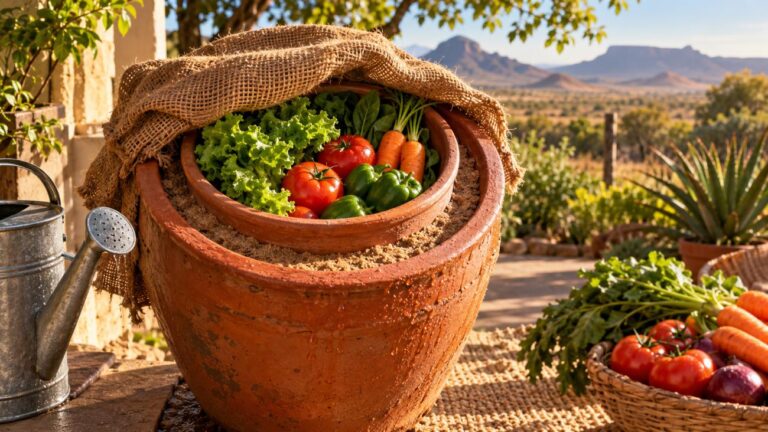
Why This 3,000 Year Old Idea Is Back Nine out of ten South African households have thrown away food that spoiled in the fridge during load shedding, according to a survey commissioned by Debt Rescue, and more than a third…

Why spring is your most important sowing window If you only sow seriously once a year, make it now. Spring gives South African gardeners long days, warming soil and a full growing season ahead, which is the combination that turns…

There is a particular moment that every South African with a decent solar array eventually recognises, whether the roof is in Centurion, Somerset West, Hillcrest or halfway up a farm road outside Bethlehem. It is about eleven in the morning on a clear day. The battery hit 100 percent an hour ago. The geyser is hot. Nothing much is running in the house. And the inverter is quietly throttling the array back because there is simply nowhere for the power to go.
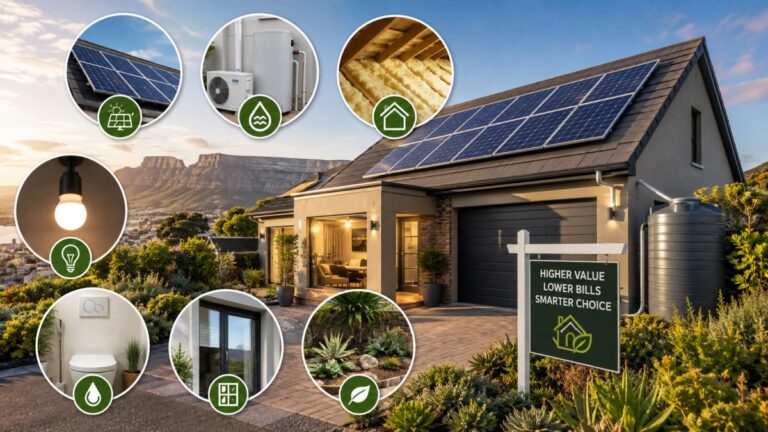
Most South Africans have been sold green upgrades badly. The pitch usually arrives wrapped in polar bears and carbon guilt, and it lands on a household that is already watching the municipal bill climb faster than the salary. If you have ever rolled your eyes at a solar quote, that reaction is reasonable. Plenty of eco spending in this country is expensive theatre.
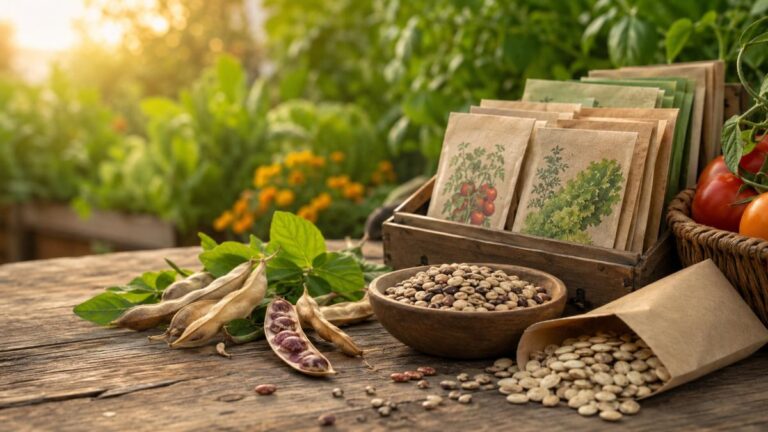
Look at the back of a seed packet. If it says "F1" anywhere on it, you have bought food. If it doesn't, you may have bought the beginning of a food system.
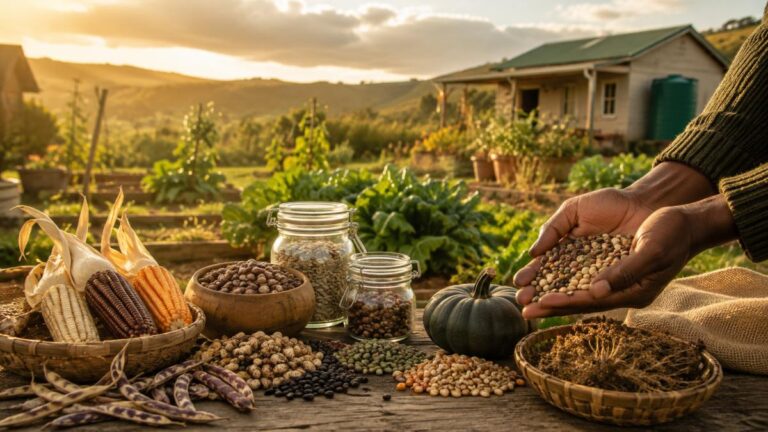
Somewhere in a smallholding WhatsApp group right now, someone is forwarding a voice note claiming that saving seed is illegal in South Africa. Someone else is adding that the government wants us all buying from big seed brands every season. A third person is saying they heard you can go to prison for ten years.
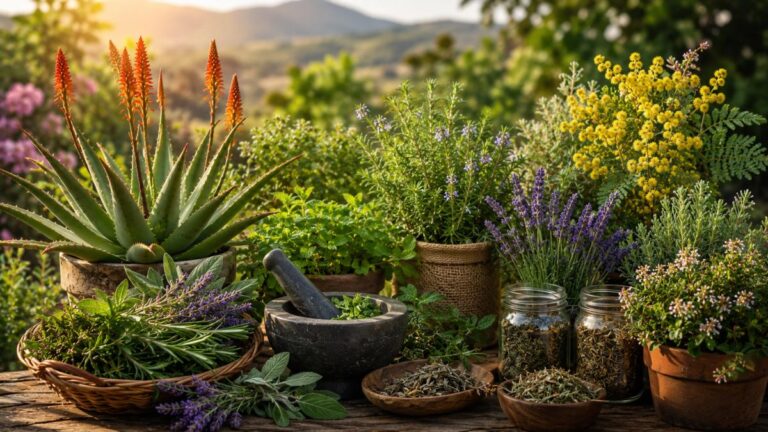
South Africa is one of the richest countries in the world when it comes to plant diversity. Many of our indigenous species have been used for generations by traditional healers and rural communities, while others have become household favourites in…
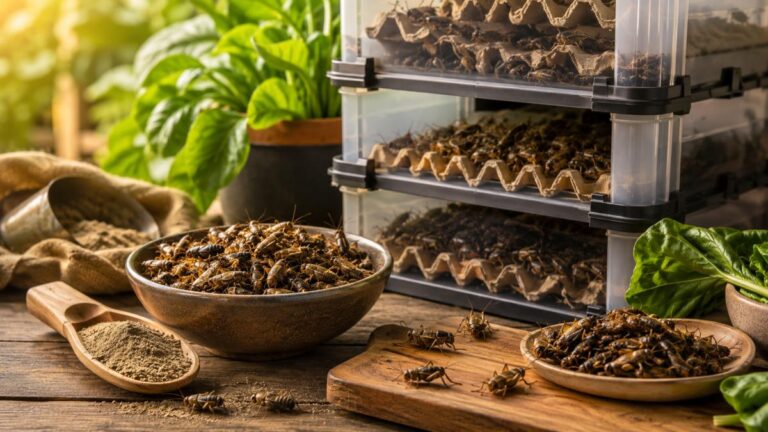
Beef has quietly become a luxury. Prime cuts regularly push past R200 a kilogram in South African supermarkets, and even the cheaper stewing cuts have crept to a point where a family braai is now a budgeting decision rather than a weekend default. For anyone already thinking hard about financial resilience, the obvious response is to look for a protein source you can produce yourself, in a small space, without a smallholding or a herd of anything. Crickets fit that brief better than almost any other option
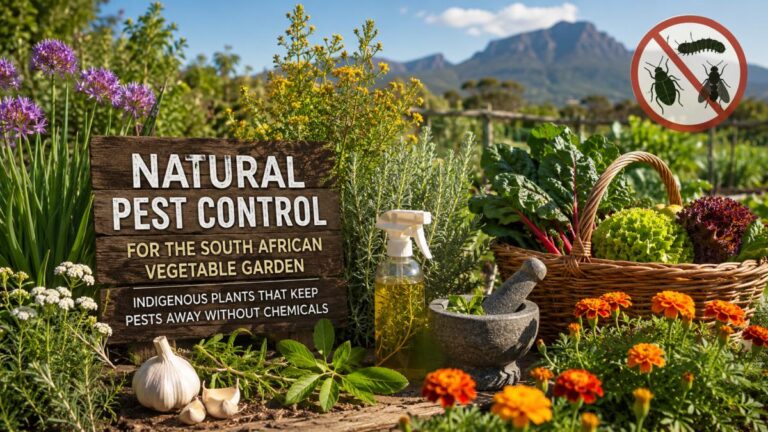
Once you decide to stop spraying synthetic pesticides on food you're going to eat, you're left with an obvious problem: the aphids, caterpillars, cutworms and fruit flies didn't get the memo. Opting out of the chemical shelf at the co-op is the easy part. The harder part is replacing it with something that actually works in a Highveld spring or a KwaZulu-Natal summer, using plants you can grow yourself rather than imported organic products with imported prices.
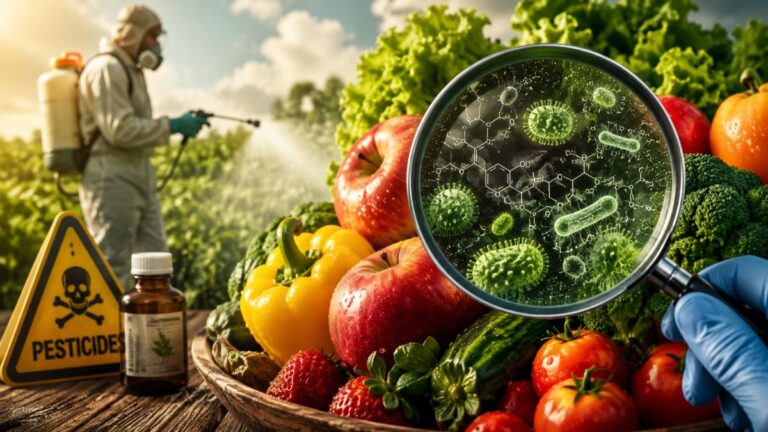
There is a particular kind of unease that settles in when you read that the bread in your kitchen, the maize meal in your pantry, and the jar of food you spoon into a toddler's mouth all carry traces of farm chemicals. That unease is exactly what landed on South African kitchen tables in June 2026, when independent laboratory testing commissioned by a Johannesburg research and advocacy organisation found pesticide residues in the overwhelming majority of everyday supermarket foods it sampled. The headline number was hard to ignore: residues turned up in 86 percent of the products tested.