Physical Address
304 North Cardinal St.
Dorchester Center, MA 02124
Physical Address
304 North Cardinal St.
Dorchester Center, MA 02124

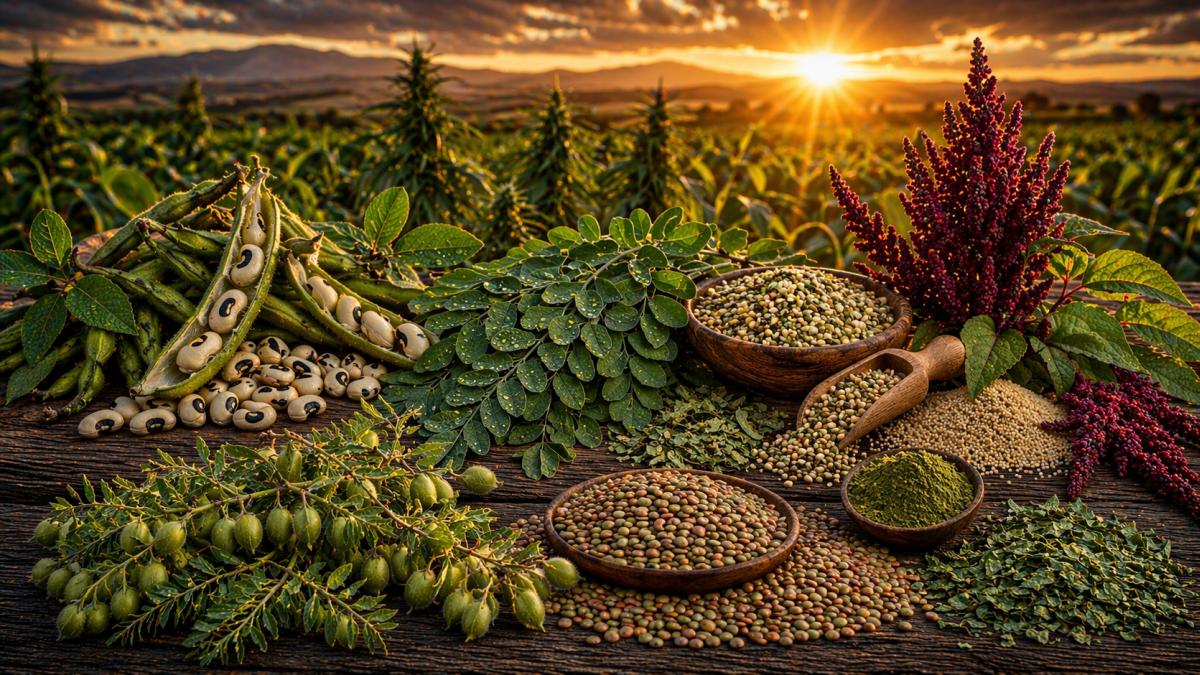
Protein does not have to come from a packet of whey powder or a tray of chicken breasts from the supermarket. Long before processed food entered the picture, African farmers, homesteaders, and communities fed themselves well on the protein locked inside seeds, beans, and leaves that grow easily in our soils. If you are building a more self-sufficient life, whether on a small plot in Limpopo, a suburban garden in Gauteng, or a larger smallholding in the Eastern Cape, understanding which plants give you the most protein per gram is one of the most practical pieces of knowledge you can have.
This article covers the top high-protein plants available to South Africans, with particular attention to the Jugo bean, a locally significant legume that deserves far more space in our gardens and on our plates.
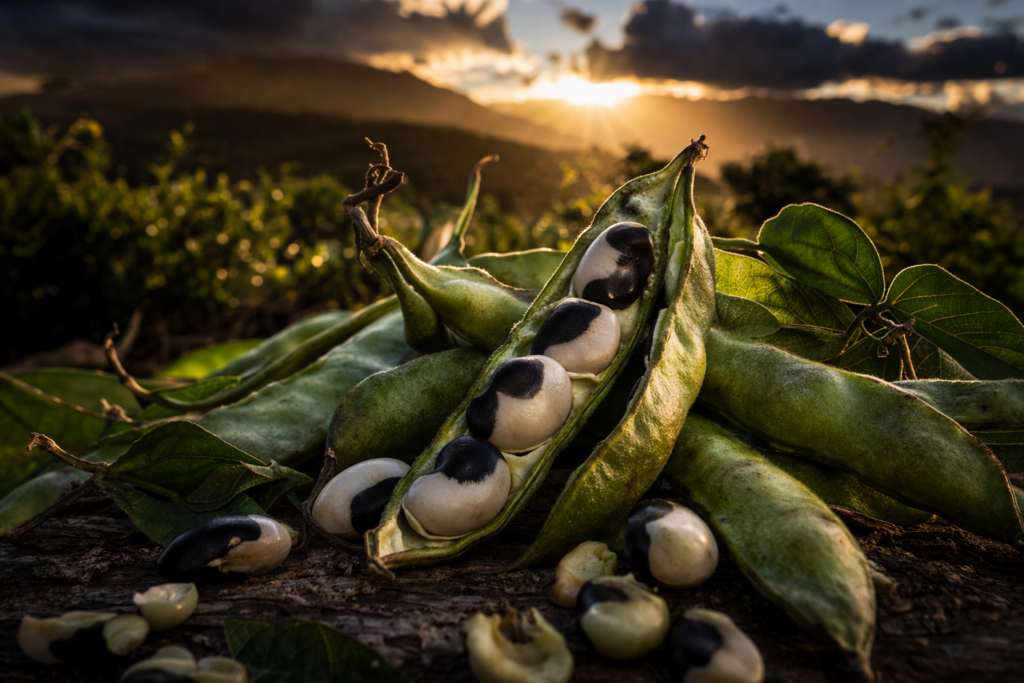
The Jugo bean, known botanically as Vigna subterranea and also called the Bambara groundnut, is one of the most nutritionally complete plant foods grown on this continent. It is indigenous to Africa, it fixes its own nitrogen in the soil, and it thrives under drought conditions that would destroy most other legumes. For the self-sufficient grower, it ticks almost every box.
The protein content of dried Jugo beans ranges from 17% to 25% depending on the variety and growing conditions, with some landraces in East African trials recording crude protein levels as high as 26%. The commonly cited figure of 24% is well supported in the scientific literature and represents the upper range of established Southern African cultivars selected over generations for productivity and protein yield.
What makes this number even more impressive is the amino acid profile behind it. Unlike many plant proteins that are low in one or two essential amino acids, the Jugo bean contains all essential amino acids including relatively high levels of methionine and lysine, two amino acids that are typically limiting in cereal-based diets. This is why nutritionists describe it as a “complete food,” a term usually reserved for animal products.
Here is a basic macronutrient breakdown for 100g of dried Jugo beans:
| Nutrient | Content |
|---|---|
| Protein | 18 to 25g |
| Carbohydrates | 55 to 70g |
| Fat | 4 to 8g |
| Dietary Fibre | 5 to 6.4g |
The protein percentage drops once you boil the beans, because the bean absorbs water and the total mass increases. This is not a loss of protein, just a dilution per gram of cooked weight. The actual protein you eat remains the same.
Beyond protein, Jugo beans contain meaningful levels of iron, potassium, magnesium, and B vitamins, making them a genuine nutritional anchor crop for any household trying to reduce dependence on shop-bought food. The plant also fixes atmospheric nitrogen, which means growing it improves your soil for the next crop rather than depleting it.
Jugo beans are traditionally eaten boiled, roasted, or ground into flour. They can be incorporated into stews, soups, samp dishes, and even baked goods. In Venda communities they form the base of a dish called Tshidzimba, and across sub-Saharan Africa they appear under names including Nyimo, Phonda, Okpa, and Bambara nut.
One practical note: Jugo beans are known for requiring long cooking times, particularly older or dried-out stock. Soaking overnight in slightly salted water significantly reduces cooking time and improves texture. This is a small inconvenience for a crop that practically grows itself.
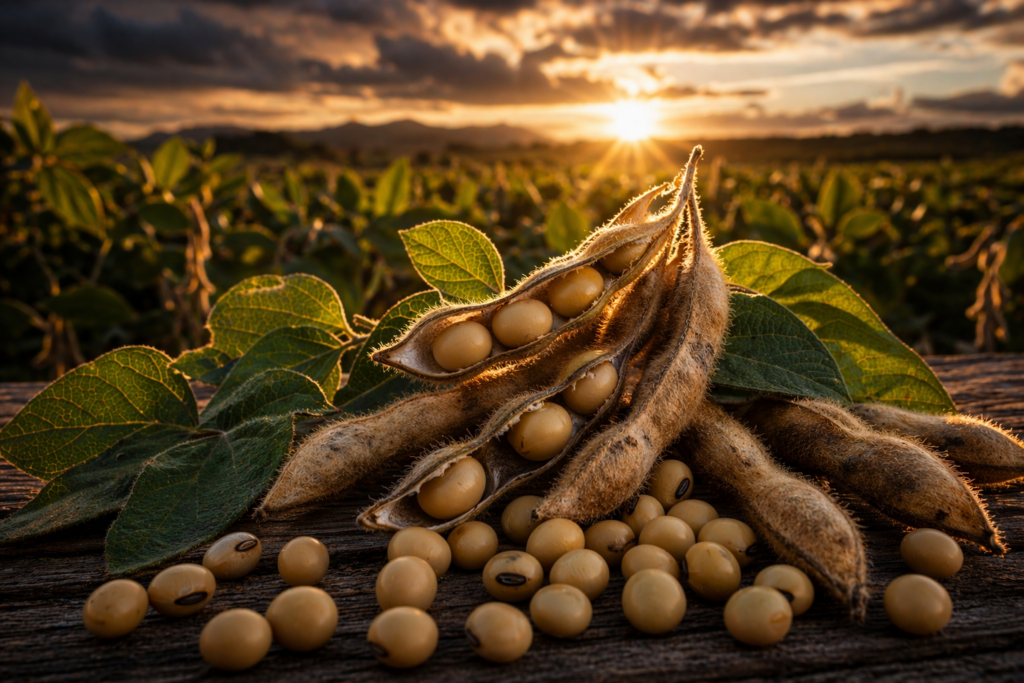
Soybeans (Glycine max) are the global reference point for plant protein, containing roughly 36% protein by dry weight. No other common food legume comes close. They are also among the more demanding crops to grow well, requiring good rainfall, fertile soil, and careful inoculation with the correct rhizobium bacteria to fix nitrogen effectively.
For the home grower in South Africa, soybeans are more of a supplementary crop than a staple. They are widely available as whole dried beans, soy flour, tofu, and tempeh. If you have the right climate and enough garden space, growing your own is entirely viable, but for most suburban growers the Jugo bean or cowpea is a more practical high-protein alternative.
Soy is also one of the few plant proteins that matches animal protein in biological value when consumed as a whole food rather than an isolate. If you are building a plant-heavy diet for your household, having some form of soy as part of the rotation makes nutritional sense.
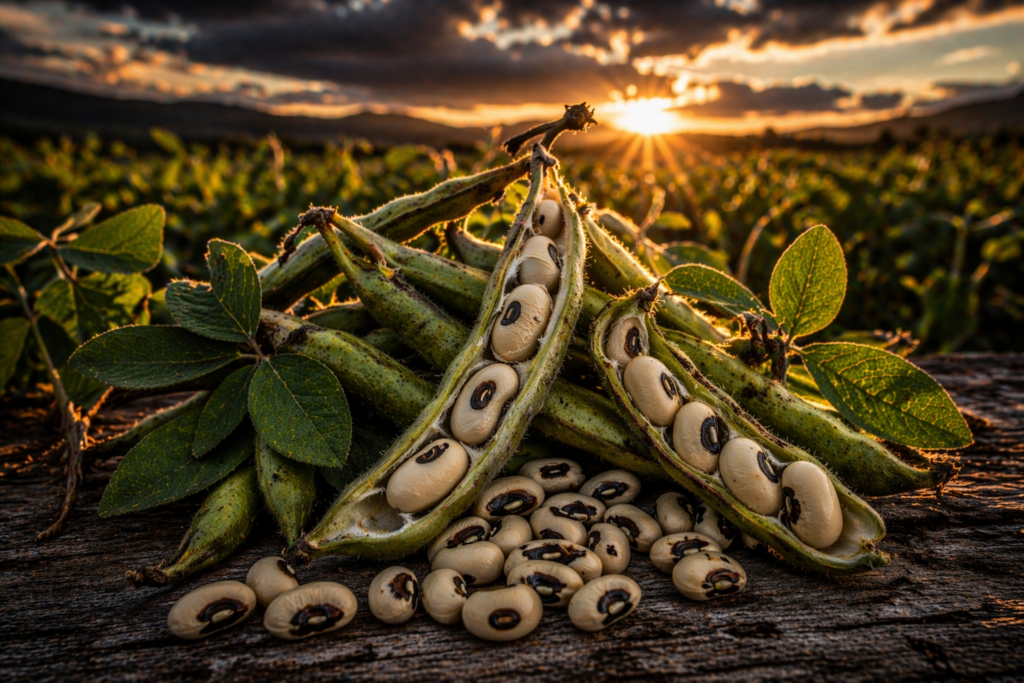
The cowpea (Vigna unguiculata), known in South Africa as the Black-eyed pea or in some communities as umhlumbe or dinawa, sits comfortably at 23 to 25% protein in dried form. Like the Jugo bean, it fixes atmospheric nitrogen, grows in poor soils, and handles heat and drought conditions that would devastate commercial crops.
Cowpeas are faster to cook than Jugo beans and have a wider variety of culinary applications. The leaves are also edible and nutritious, making the plant doubly useful in a self-sufficient garden. For anyone looking to build a home protein supply with minimum inputs, cowpeas and Jugo beans grown together provide a complementary combination of flavour profiles and amino acid diversity.
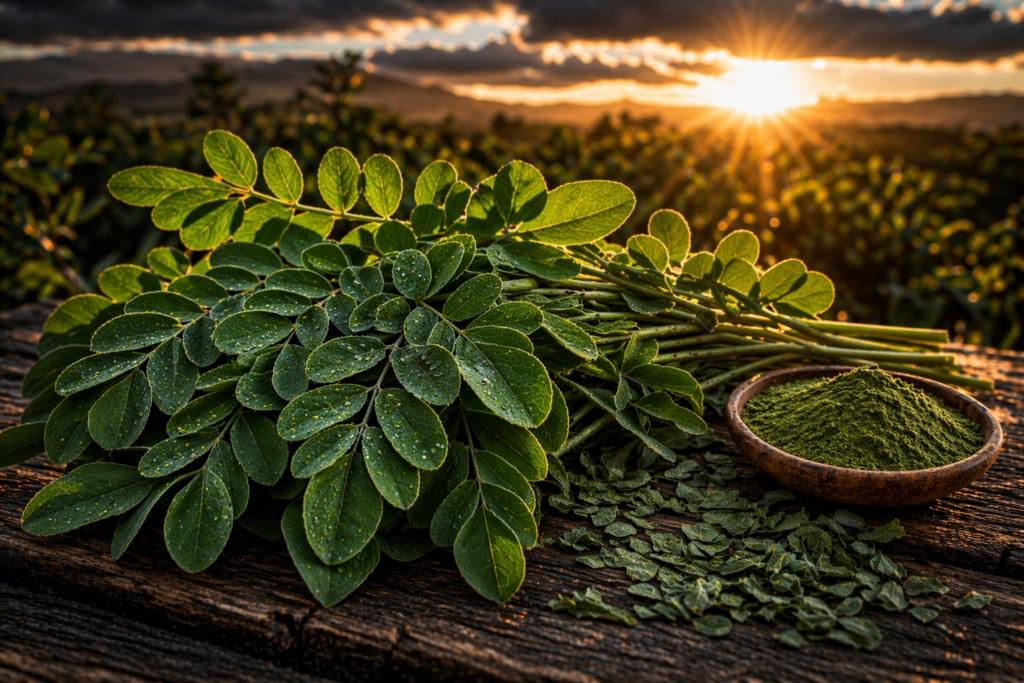
Moringa (Moringa oleifera) is gaining attention as a high-protein leafy green, and for good reason. Dried moringa leaf powder contains approximately 25 to 30% protein by weight, which is extraordinary for a leaf vegetable. Even fresh moringa leaves contain more protein per calorie than most vegetables.
Moringa grows exceptionally well across much of South Africa, particularly in the warmer northern provinces. It is fast-growing, requires minimal water once established, and can be harvested repeatedly throughout the year. The leaves can be eaten fresh in salads, added to stews, or dried and powdered for use as a nutritional supplement mixed into porridge or smoothies.
Moringa is also rich in iron, calcium, and vitamins A and C, making it one of the most nutrient-dense plants available to the home grower. If you have space for just one high-protein tree or shrub in your garden, moringa is the strongest candidate.
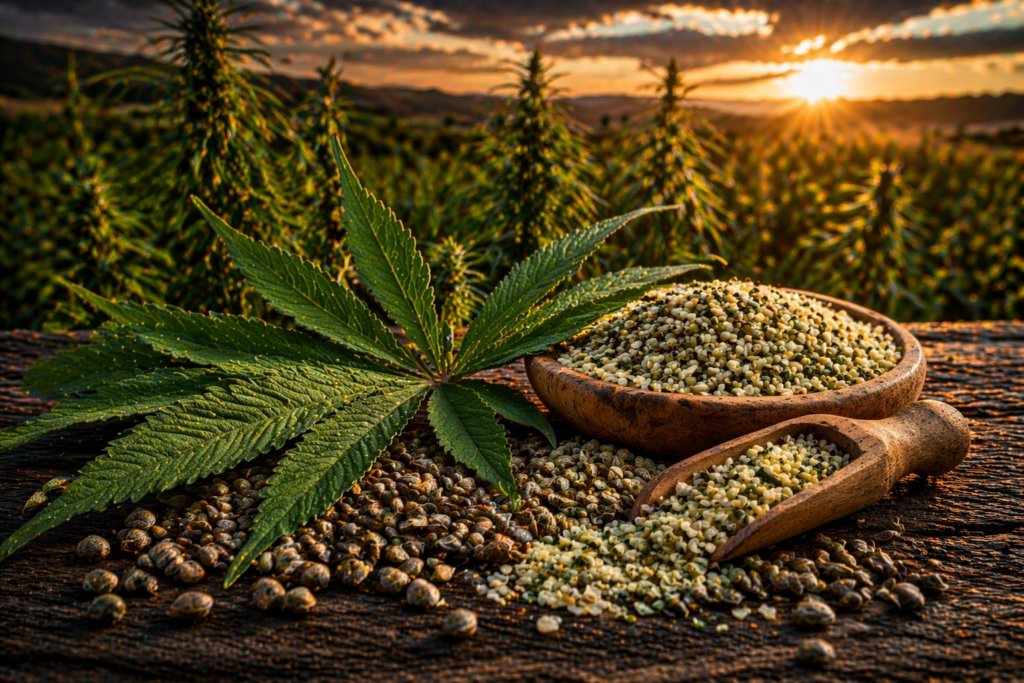
Hemp (Cannabis sativa grown for seed, not psychoactive compounds) produces seeds with roughly 31% protein by dry weight. More importantly, hemp seed protein is highly digestible and contains a near-ideal ratio of omega-3 to omega-6 fatty acids alongside the protein.
Hemp cultivation regulations in South Africa have evolved in recent years, and licensed growing is now possible under certain conditions. For most homesteaders, buying hulled hemp seeds (often called hemp hearts) from a health food supplier is the more practical starting point. They can be added raw to salads, stirred into yoghurt, or blended into a high-protein smoothie without any cooking required. They store well and require no preparation, making them one of the most convenient protein sources on this list.
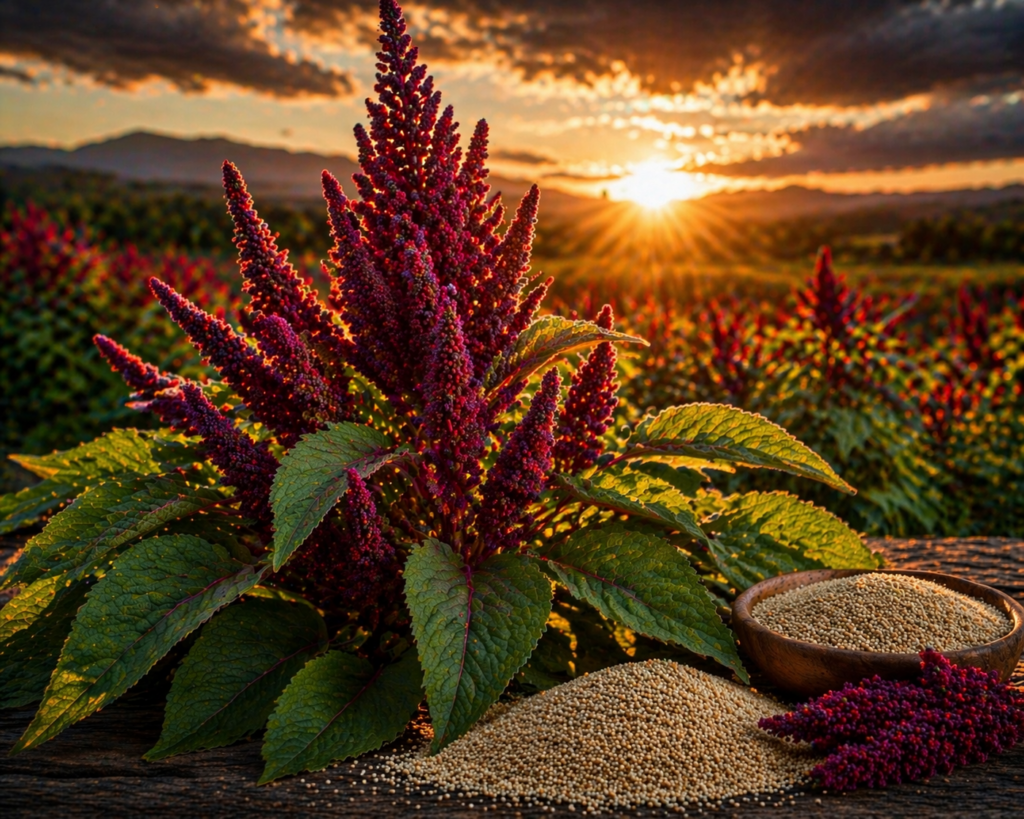
Amaranth (Amaranthus spp.), known in many South African communities as morogo when referring to the leafy green varieties, delivers protein from two sources: the seeds and the leaves. Amaranth grain contains approximately 14 to 17% protein with a notably high lysine content compared to other grains, making it a useful complement to maize-based diets where lysine is often the limiting factor.
The plant grows easily across South Africa, tolerates heat and light water stress, and can be grown in a kitchen garden or along borders without dedicated beds. The leaves are harvested as a vegetable throughout the growing season, and the seeds are harvested at the end. Grinding dried amaranth seeds into flour and mixing it with maize meal produces a more nutritionally complete staple with very little extra effort.
If you want to understand how to reduce your household’s dependence on bought groceries through smart food production, our article on building a South African food garden from scratch covers companion planting, soil building, and how to sequence crops for year-round production.
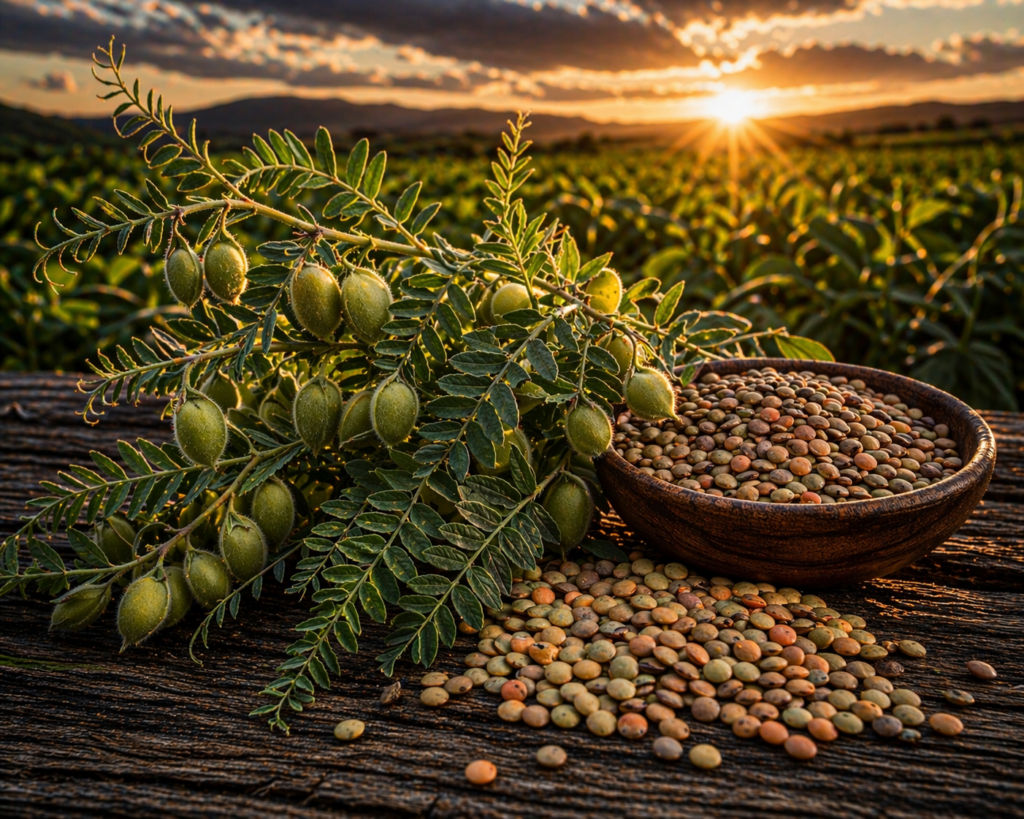
Lentils (Lens culinaris) contain around 25% protein in dried form and have the significant advantage of cooking relatively quickly without soaking. They are one of the most practical high-protein legumes for home storage and emergency food planning. While lentils are less commonly grown domestically in South Africa than in cooler regions, they can be cultivated in the winter rainfall areas of the Western Cape and higher-altitude inland regions during cooler months.
For most South African homesteaders, lentils are best sourced in bulk from a wholesale supplier and stored as part of a long-term food security pantry. A 10kg bag of dried lentils stores for two or more years and provides a reliable, fast-cooking protein source that requires nothing more than water and heat.
The most practical approach to plant-based protein self-sufficiency is not to rely on a single crop but to build a layered system where multiple plants contribute at different seasons and in different forms.
A functional protein garden for a South African household might include Jugo beans and cowpeas as the primary legume crops, a moringa tree for year-round leaf protein, amaranth grown along garden edges for both leaves and seed, and stored lentils and hemp seeds to fill gaps during non-growing seasons. This combination provides complete amino acid coverage, nutritional diversity, and resilience against crop failure in any single species.
Research across multiple African landraces confirms that locally adapted varieties of beans like the Jugo bean consistently outperform commercial import varieties in both drought tolerance and protein density. Growing local, heritage-variety legumes is not just a cultural choice; it is an agronomically smart one.
The protein your household needs does not have to come from far away or cost more than it should. It can come from a few rows of Jugo beans in your garden, a handful of moringa leaves in your morning meal, and a shelf of properly stored legumes that will carry you through any disruption in the food supply chain. That is what self-sufficiency actually looks like: not perfection, but a well-stocked, well-grown foundation built from what grows best where you live.