Physical Address
304 North Cardinal St.
Dorchester Center, MA 02124
Physical Address
304 North Cardinal St.
Dorchester Center, MA 02124



Every solar quote in this country ends at the same place. Panels, inverter, battery, certificate of compliance, sign here. Almost nobody hands you the second half of the arithmetic, which is what happens in year eight when the pack that cost you a third of the system budget is quietly delivering two thirds of what it used to. If you are still at the planning stage, our breakdown of the more affordable way to go solar in South Africa covers how to size the system in the first place. This piece is about what happens to it afterwards.

Every preserving guide you will find online was written for somebody living near the sea. That is not a small detail. It is the reason a jar of Highveld tomato sauce can look perfect, seal with a satisfying pop, and still be quietly unsafe six months later. Before you buy a single Consol jar, you need to understand what altitude does to your kitchen, what a dry inland winter does to drying racks, and why the fermentation traditions already sitting in this country are better suited to our climate than anything imported from a Brooklyn cookbook.
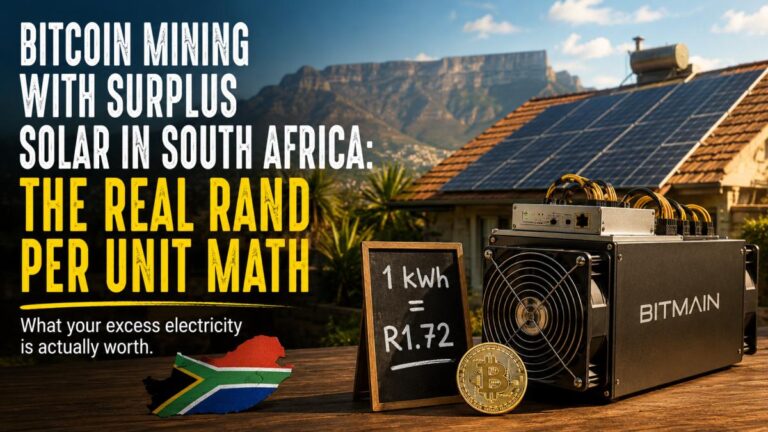
There is a particular moment that every South African with a decent solar array eventually recognises, whether the roof is in Centurion, Somerset West, Hillcrest or halfway up a farm road outside Bethlehem. It is about eleven in the morning on a clear day. The battery hit 100 percent an hour ago. The geyser is hot. Nothing much is running in the house. And the inverter is quietly throttling the array back because there is simply nowhere for the power to go.
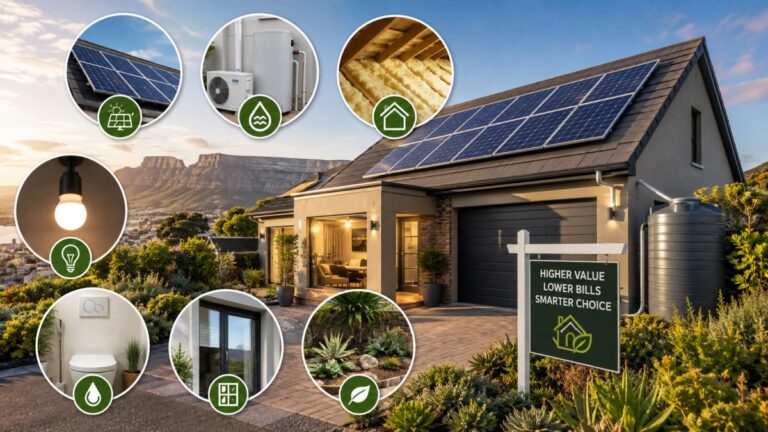
Most South Africans have been sold green upgrades badly. The pitch usually arrives wrapped in polar bears and carbon guilt, and it lands on a household that is already watching the municipal bill climb faster than the salary. If you have ever rolled your eyes at a solar quote, that reaction is reasonable. Plenty of eco spending in this country is expensive theatre.
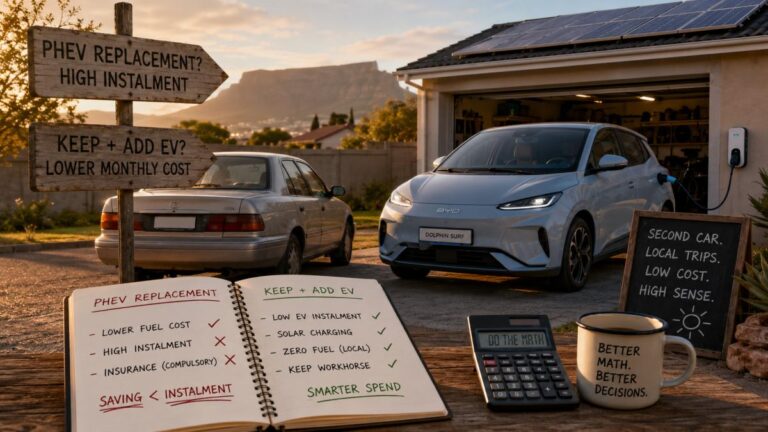
Every plug-in hybrid advert in South Africa leans on the same pitch: fuel prices are brutal, PHEVs sip petrol, do the math and switch. What the adverts never show you is the other side of that math — the instalment. Run both sides properly and the honest answer for most SA households is uncomfortable: your old car, paid off and imperfect, is often the cheaper choice. But there's a nuance worth exploring, and it involves a second, much cheaper car rather than one shiny new one.
Look at the back of a seed packet. If it says "F1" anywhere on it, you have bought food. If it doesn't, you may have bought the beginning of a food system.
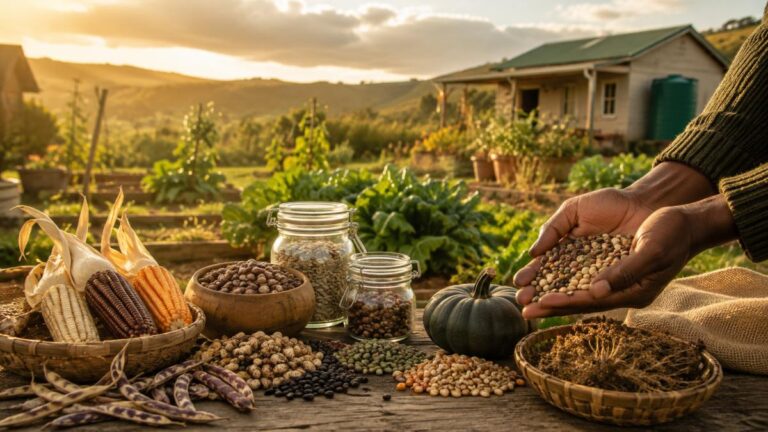
Somewhere in a smallholding WhatsApp group right now, someone is forwarding a voice note claiming that saving seed is illegal in South Africa. Someone else is adding that the government wants us all buying from big seed brands every season. A third person is saying they heard you can go to prison for ten years.
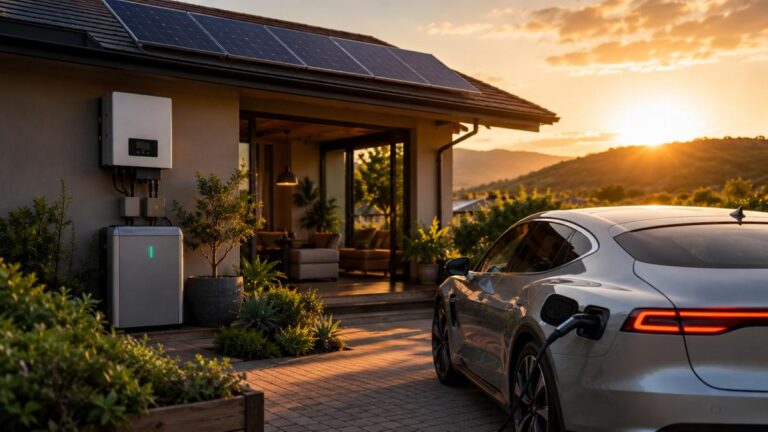
Every EV-and-solar article you'll find online assumes you're starting from a blank slate: 10kW arrays, dedicated 15kWh batteries, three-phase supply. Fine if you're building from scratch. Less useful if you already run a modest hybrid system sized for the house, and you're now wondering whether it can stretch to cover a daily commute too — without a second inverter, a second battery bank, and a second mortgage...
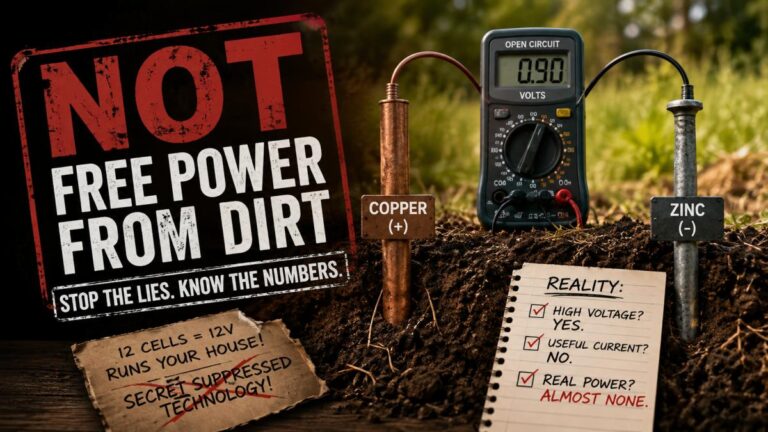
There is a genre of video doing the rounds at the moment that promises you free electricity from dirt. The formula is always the same. A folksy old man on a farm somewhere, a suppressed government document with an invented reference number, a hardware list under a hundred dollars, and a cliffhanger before the build instructions that conveniently sits behind a paid manual. The claim is that twelve copper and zinc electrodes buried in your yard will run your workshop lights, your USB chargers and your security cameras indefinitely, and that the utility industry has spent two centuries hiding this from you.
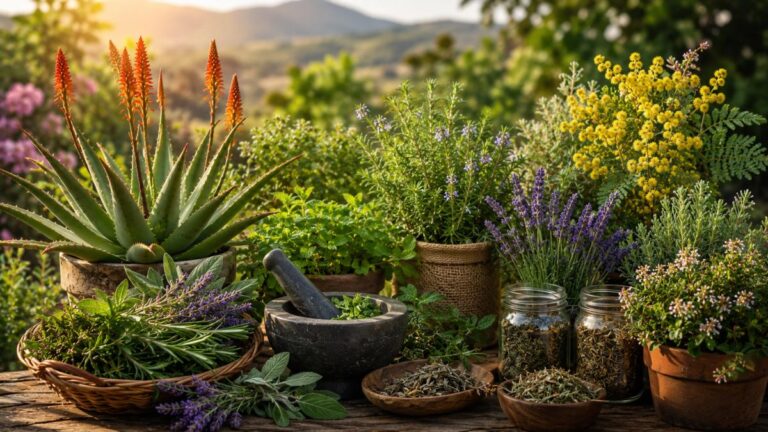
South Africa is one of the richest countries in the world when it comes to plant diversity. Many of our indigenous species have been used for generations by traditional healers and rural communities, while others have become household favourites in…



