Physical Address
304 North Cardinal St.
Dorchester Center, MA 02124
Physical Address
304 North Cardinal St.
Dorchester Center, MA 02124

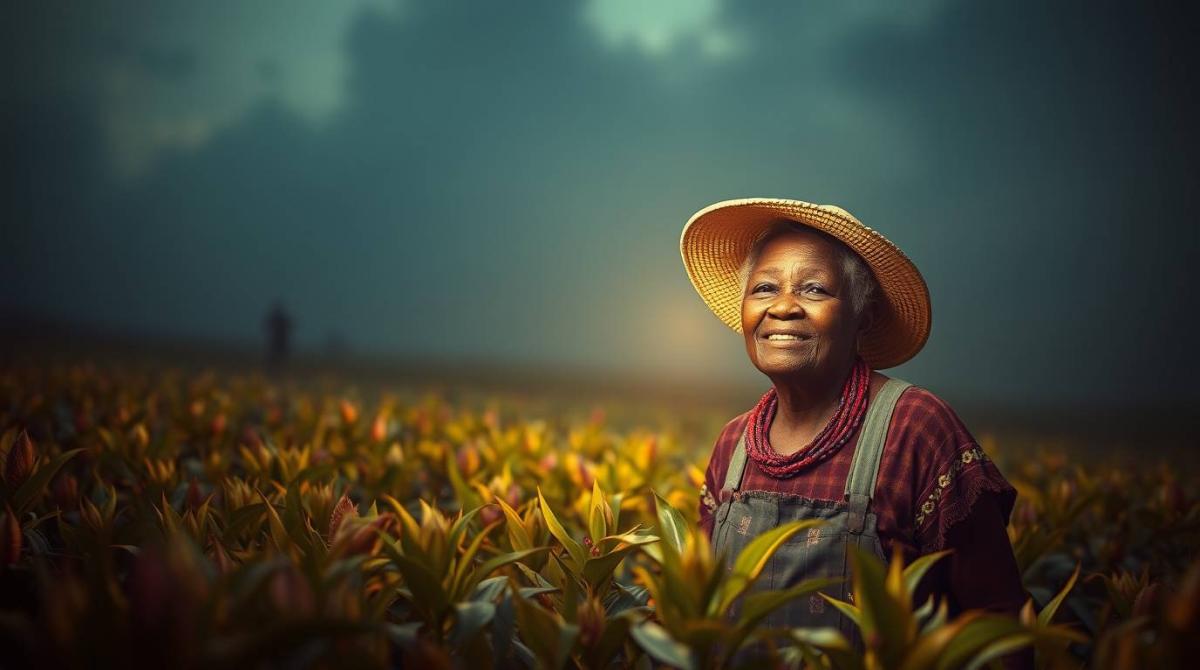
There is a quiet kind of wisdom sitting in the food memories of older South Africans. Ask your grandmother what she ate as a child and she will describe dishes that cost nothing, grew without chemicals, survived drought, and tasted like something you cannot find in any supermarket. She was not eating peasant food. She was eating some of the most nutritionally dense, climate-resilient crops on the planet.
Modern supermarkets have convinced a generation of South Africans that food security means buying imported varieties of vegetables that were never suited to this soil in the first place. Meanwhile, the crops that sustained entire civilisations on this continent have been quietly forgotten or dismissed as “old people’s food.”
That changes today. Here are ten indigenous and traditionally grown crops that belong back in your garden, your container pots, and on your table.
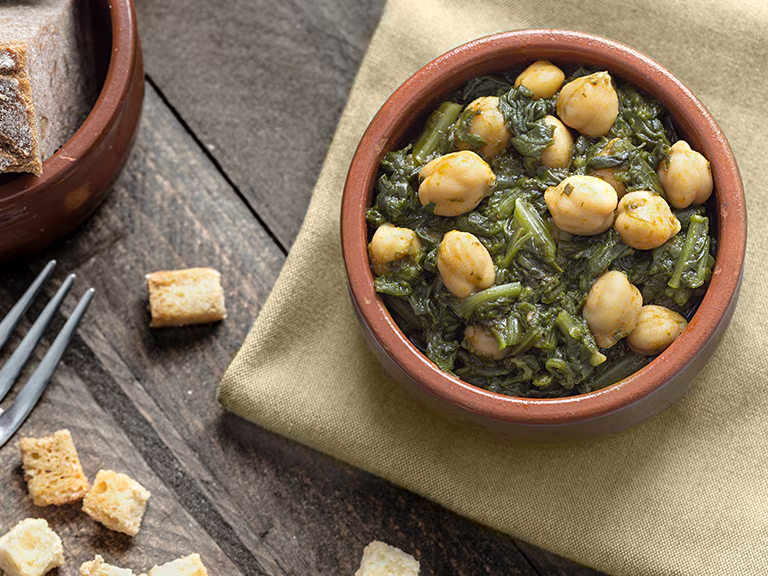
In South Africa—especially among Setswana, Sesotho, isiZulu, and other communities—the word refers to a range of leafy greens, including:
So when people say morogo, they often mean the edible young leaves and shoots of several traditional plants, with amaranth being one of the most common.
Morogo is genuinely a nutrient-dense food, which is why it has remained important in rural and urban food gardens.
Research from South Africa shows it contains meaningful levels of:
One South African study on Amaranthus hybridus found roughly:
That makes it especially valuable in diets based heavily on maize meal or bread, because it helps supply the vitamins and minerals those staples lack.
Morogo is almost perfect for Johannesburg home gardens and balconies:
It often volunteers naturally in:
This “weed-like” resilience is actually one of its superpowers.
The best way is cut-and-come-again harvesting:
This keeps the plant in leaf-production mode instead of seed mode, giving you food for weeks.
Traditional preparation is simple and excellent:
One useful note: long boiling reduces vitamin C significantly, so shorter cooking or steaming preserves more nutrients.
For anyone interested in self-sufficiency in South Africa, morogo is one of the highest-value plants per square metre.
It gives:
Honestly, every South African food garden should have some.
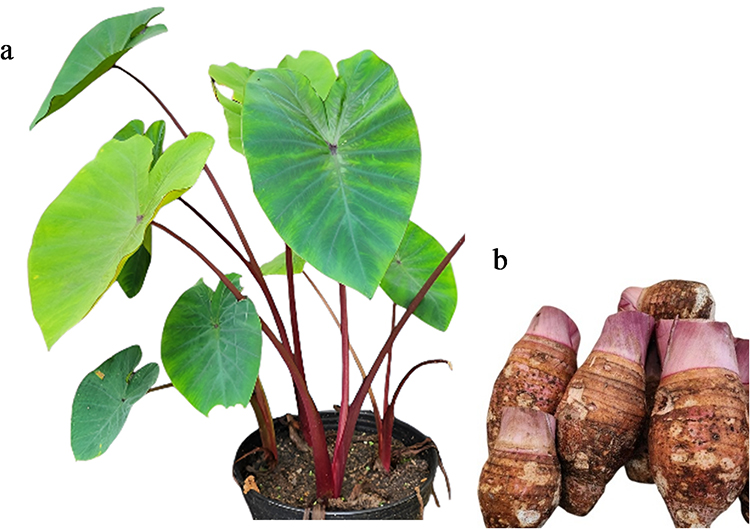
Amadumbe is the South African name for taro, a tropical root crop grown mainly for its starchy underground corms (tubers).
It has been cultivated for generations in KwaZulu-Natal, Limpopo, and other wetter subtropical parts of Southern Africa, and the ARC has actively researched it as a valuable indigenous/traditional crop.
Common names include:
It’s often called the “potato of the tropics”, but nutritionally it can actually outperform potatoes in several ways.
The corms are especially prized for:
A South African KwaZulu-Natal study found locally grown amadumbe had:
That’s why it’s excellent for steady energy, and many people find it gives a more sustained fullness than white potato.
One of the best things about amadumbe: it’s a two-in-one crop.
The young leaves and petioles can be cooked like spinach and are rich in minerals, especially:
Very important though: the leaves must always be cooked well, because raw leaves contain oxalates that can irritate the throat.
A quick boil followed by frying with onion, garlic, and tomato works beautifully.
This is where amadumbe shines.
It loves:
For Johannesburg, it grows best:
A damp spot where mint thrives is usually perfect.
If you have:
…amadumbe can turn that “dead space” into a serious calorie crop.
That makes it much more valuable than many leafy greens if your goal is actual household food resilience.
Harvest when:
Loosen soil gently and lift the corms.
The small side corms can be replanted for the next season.
My favourite uses:
It has a lovely earthy, nutty flavour with a creamy texture.
For a South African self-sufficiency garden, amadumbe is one of the best “hidden staple” crops.
It gives:
It’s especially smart for rainwater-fed gardens in Gauteng summer.
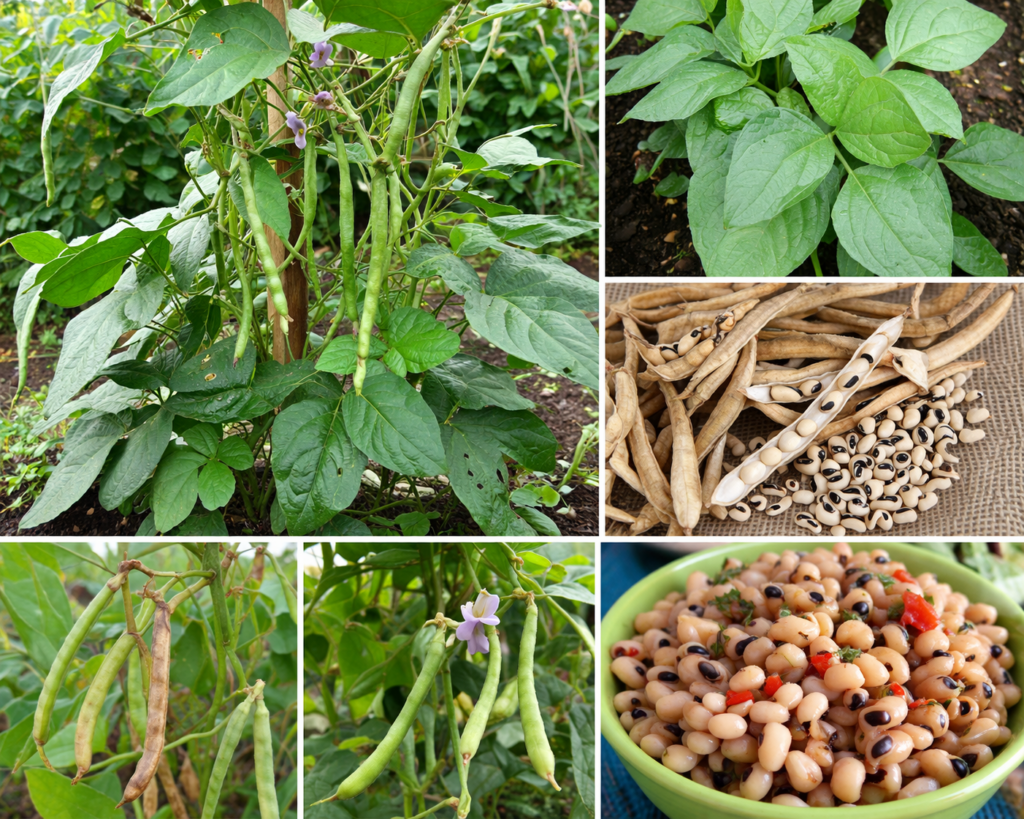
Cowpeas (Vigna unguiculata) are one of the smartest crops you can grow in a South African summer garden—food, soil improvement, drought resilience, and beginner-friendliness all in one plant.
Cowpeas are an ancient African crop, deeply suited to our climate.
They are known by many names:
Across Southern Africa they’ve long been prized because the whole plant is useful.
You get:
That’s exceptional value from one seed.
This is one of the best reasons to grow them.
The young leaves are highly nutritious, with strong protein and micronutrient levels, especially:
You can harvest leaves early in the season just like spinach.
Then later the same plants produce pods and dry beans, which are excellent for long-term pantry storage.
The dry seeds are especially valuable because they’re around 23–25% protein, which is why cowpeas are often called “poor man’s meat.”
For a household food garden, that’s one of the cheapest protein sources you can grow.
Cowpeas are almost made for Johannesburg summer conditions.
They love:
They’re one of the most drought-tolerant legumes grown in Africa, which makes them ideal for water-wise gardening.
In fact, they often outperform beans in:
Because cowpeas are legumes, they work with root bacteria to fix nitrogen from the air into the soil, enriching the bed for the next crop.
That makes them brilliant before:
A great South African succession is:
cowpeas in summer → spinach or brassicas in autumn
The following crop often grows noticeably better.
Giving them something to climb is a fantastic space-saving trick.
Use:
They can be grown:
Climbing them up maize or sunflowers is especially productive.
A nice way to use them:
Harvest young leaves for greens.
Pick tender green pods.
Leave pods to dry brown on the plant.
Then shell and store the beans in jars.
Because the seeds dry so well, they’re perfect for:
For South African beginners, cowpeas are one of the top 5 easiest high-value crops.
They give:
Honestly, if someone only planted morogo + cowpeas + amadumbe, they’d already have a very solid resilience garden.
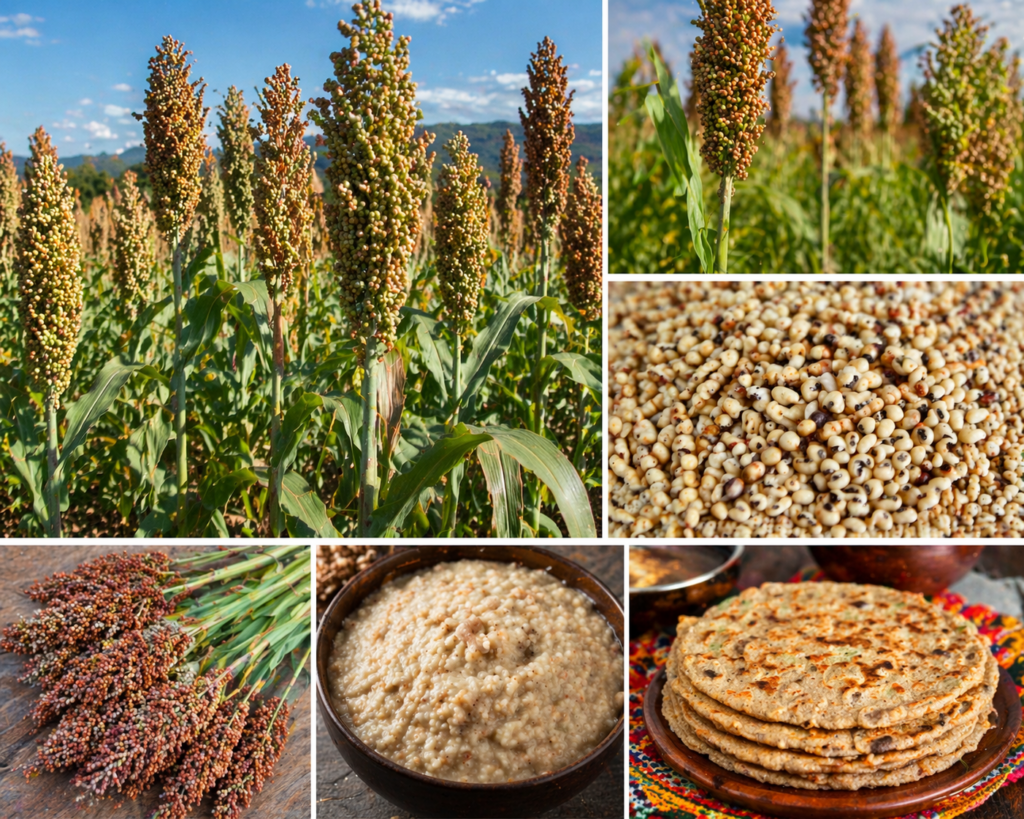
Sorghum (Sorghum bicolor, often called mabele in South Africa) is one of the most climate-smart grains you can grow, and honestly one of the most important traditional staples for the future of food security in Southern Africa.
Sorghum has been a backbone grain in Southern Africa for thousands of years, long before commercial maize became dominant.
It has traditionally been used for:
In South Africa it remains one of the most culturally important grains, especially in drier farming regions.
This is sorghum’s real superpower.
Compared with maize, sorghum:
The reason is its biology:
That makes it ideal for Gauteng, North West, Free State, Limpopo, and drier parts of KZN inland.
Most people think of sorghum as a farm crop, but it can work surprisingly well in a large backyard or suburban corner.
A few plants can:
The tall seed heads are also beautiful and ornamental.
In Joburg, sow it in late spring to early summer, once frost risk is gone and the soil has warmed.
Sorghum grain is extremely useful nutritionally.
It provides:
It is also naturally gluten-free, which makes it excellent for:
The darker grains often contain the highest antioxidant levels.
This is the big South African lesson.
When rainfall becomes patchy:
Sorghum, by contrast, often still sets seed because it is far more water-use efficient.
For resilience gardening, this can literally mean grain in the pantry instead of crop failure.
Harvest when:
Cut the whole head, dry it indoors, then rub the grains free.
Store in glass jars like dry beans.
For South African self-sufficiency, sorghum is one of the highest-value staple grains you can experiment with at home.
It gives:
Honestly, with climate change in South Africa, mabele deserves a comeback in home gardens.
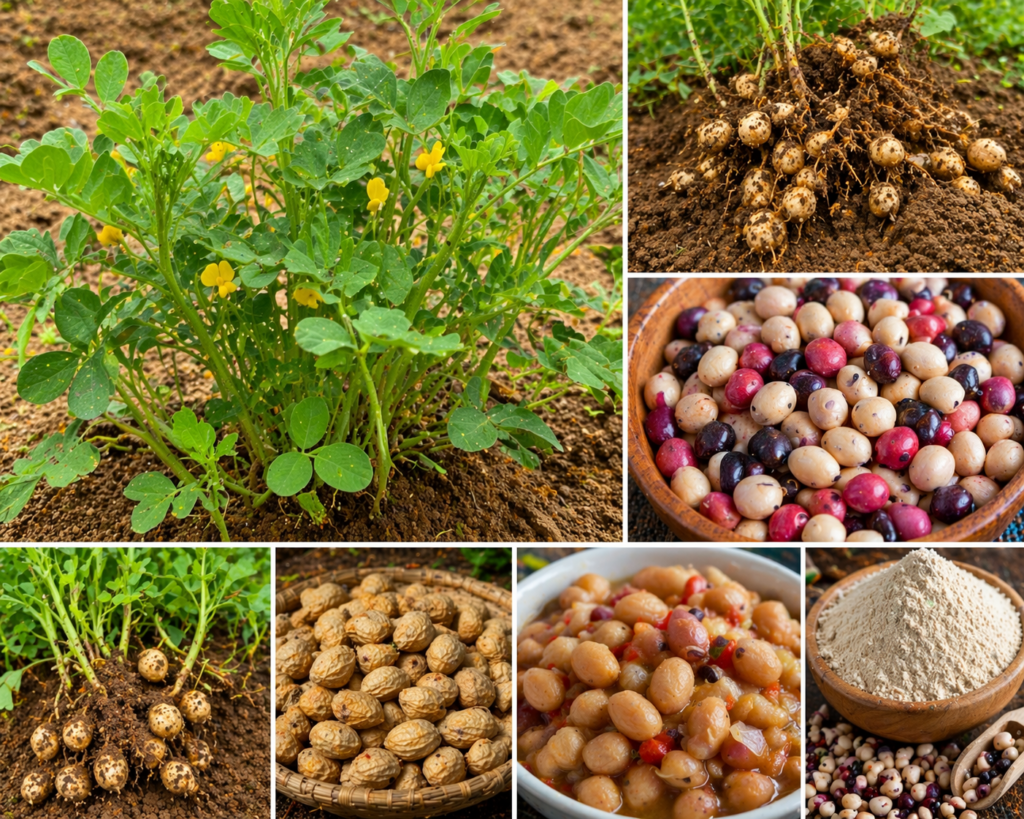
Bambara groundnut (Vigna subterranea), known in much of South Africa as the jugo bean, is one of the most resilient traditional protein crops you can grow. For dryland gardens in Gauteng and across Southern Africa, it’s honestly a superstar.
This is the kind of crop that keeps producing when other beans give up.
Like peanuts, bambara groundnut does something fascinating:
After flowering, the fertilized flower stalk bends downward and pushes the developing pod underground, where the seeds mature in the soil.
That underground pod development gives it:
This is one reason it has remained important in traditional African farming systems for generations.
This is where jugo beans really shine.
Bambara is famous for:
In fact, it’s often described as one of the most drought-tolerant grain legumes in Africa, especially valuable for marginal rainfall zones. Recent South African work continues to highlight its exceptional drought resilience.
Bambara is often called a “complete food” legume because it has an unusually balanced ratio of:
Typical dry seed values are roughly:
That makes it more filling and nutritionally balanced than many dry beans.
For a household resilience pantry, it’s gold.
Like cowpeas, bambara is a nitrogen-fixing legume.
Its roots host beneficial rhizobia bacteria that enrich the soil, making the next crop stronger.
It’s excellent before:
A fantastic rotation is:
bambara in summer → leafy greens in autumn
It loves:
Don’t overwater—slightly lean conditions often suit it better.
In Gauteng:
Because the pods form below the soil, loose soil makes harvesting much easier.
Harvest when:
Lift gently with a fork, like peanuts.
Then dry the pods well before shelling.
This is one of the most nostalgic foods in Southern Africa.
Classic uses:
That slow-cooked earthy flavour is deeply comforting.
For a climate-resilient South African food garden, bambara groundnut is one of the best hidden gems.
It gives:
Production in poor soils, reliable protein, pantry storage, drought survival, soil improvement, cultural heritage, seed saving.
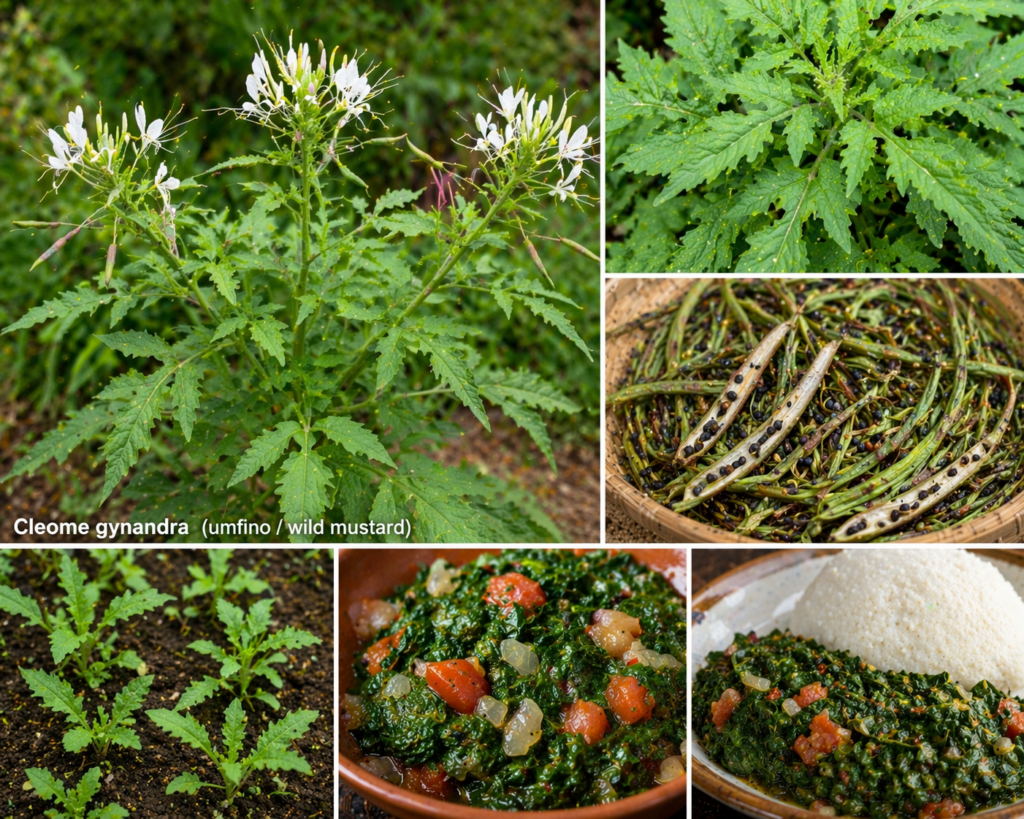
Known across South Africa as umfino, wild mustard, or African spider flower, Cleome gynandra is one of the most nutritious traditional leafy vegetables you can grow. For generations it was gathered from disturbed soils, old kraal sites, field edges, and kitchen gardens, making it a familiar plant in rural food traditions across Southern Africa. It occurs naturally across much of South Africa, including Gauteng, Limpopo, North West, and KwaZulu-Natal.
The leaves have a pleasantly bitter, mustard-like flavour, similar to rocket or mustard greens. That bitterness softens beautifully when the leaves are blanched, steamed, or cooked with onion and tomato, making it a classic relish served with pap. In many homes it is also dried for later use in winter.
Spider plant is one of those crops that truly punches above its weight nutritionally.
The leaves are especially rich in:
Because of this, it has long been valued as a food that supports strength, recovery, and micronutrient diversity, especially in maize-based diets.
For Johannesburg and most summer-rainfall areas, spider plant is almost effortless.
It thrives in:
It is naturally heat tolerant and reasonably drought hardy, making it ideal for a climate-smart home garden.
One of the best things about spider plant is: plant it once, and it tends to come back on its own.
Once the seed pods dry and split, hundreds of tiny black seeds fall into the soil. After the first good summer rains, fresh seedlings often appear exactly where you least expect them:
It becomes a “volunteer crop,” which is a dream for a self-sufficiency blog.
The best way to keep it productive is to harvest the young leaves and top shoot tips regularly.
This:
Treat it like cut-and-come-again morogo.
The classic preparation is beautifully simple:
A quick blanch preserves nutrients better than long boiling, especially vitamin C.
For a South African food garden, spider plant is one of the best wild-style crops to include.
It gives:
Honestly, it’s one of the best “plant once, eat for years” leafy greens for a Johannesburg summer garden.
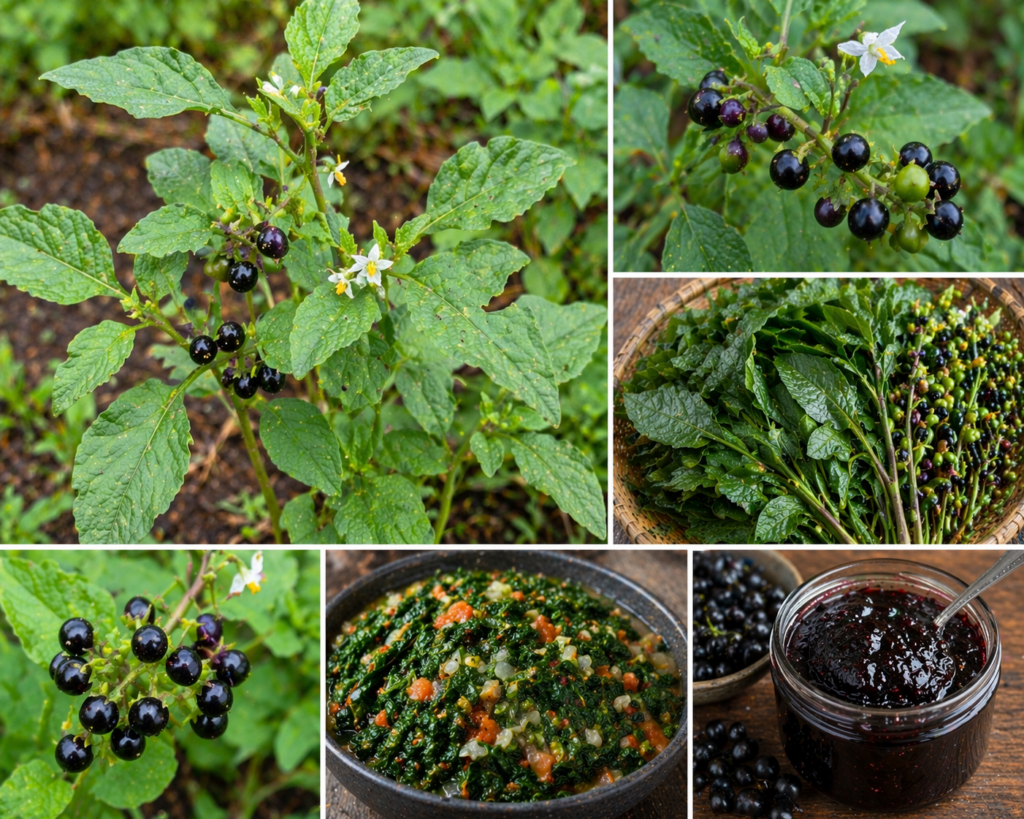
Known in many South African communities as umsobo, black nightshade is a traditional leafy vegetable that has fed families for generations. Although many people think of “nightshade” as dangerous, the cultivated edible African species Solanum retroflexum is a highly nutritious food plant when the leaves are cooked and the berries are fully ripe. It has long been harvested from home gardens, field margins, and volunteer patches in disturbed soil.
The leaves have a slightly earthy, pleasantly bitter spinach-like flavour that becomes mild and savoury when cooked with onion and tomato. In some regions, the ripe black berries are also used for jams, relishes, and traditional preserves, adding another edible layer to the crop.
Black nightshade is one of the most nutrient-dense African leafy vegetables studied in South Africa.
The leaves are especially rich in:
South African studies found it to be one of the best traditional greens for iron and vitamin A support, making it especially valuable in maize-based diets. A cooked portion can contribute significantly to daily iron and vitamin A requirements.
For Johannesburg and most summer-rainfall areas, black nightshade grows beautifully.
It thrives in:
It grows quickly in warm weather and often appears naturally in places where soil has been turned.
Like spider plant and morogo, this is a wonderful self-seeding volunteer crop.
Once the ripe berries drop, new seedlings often pop up:
For a self-sufficiency garden, this makes it incredibly valuable because it can become a recurring free food source.
The best approach is to harvest young leaves and tender top shoots regularly.
This keeps the plant:
If allowed to mature, it will also give you clusters of edible ripe berries.
The classic preparation is very similar to other African greens:
Some households mix it with amaranth or spider plant for a more balanced flavour.
For a South African resilience garden, black nightshade is one of the best volunteer greens.
It gives:
Honestly, it’s one of the best “accidental crops” to intentionally welcome into a food garden.
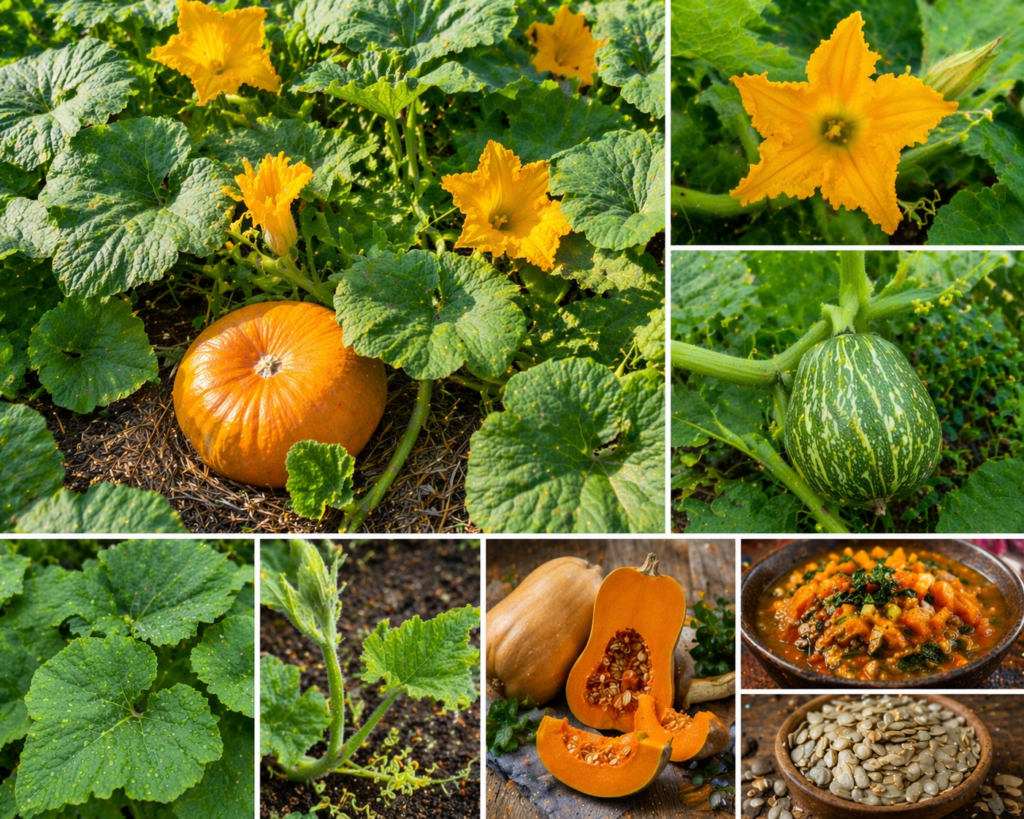
Pumpkin is one of the most generous crops in a traditional Southern African garden because it offers multiple harvests from a single plant. Long before the mature fruit is ready, the young leaves, tender vine tips, and bright yellow flowers can already be harvested and cooked as delicious greens. Across South Africa, pumpkin leaves are a familiar seasonal relish often prepared with onion, tomato, and sometimes groundnut paste, then served with pap.
The mature fruit provides a rich, sweet starch that stores well for months, while the seeds can be roasted as a highly nutritious snack. Few crops offer such a complete “root-to-shoot” food system from one planting.
This is what makes pumpkin such a self-sufficiency superstar.
From one vine you can harvest:
In many South African households, the leaves are just as valued as the fruit.
The young leaves have a soft spinach-like flavour once cooked, while the flowers bring a delicate sweetness that works beautifully in soups, stews, and fritters.
Pumpkin is far more than just a starch crop.
The leaves are rich in:
The flesh provides:
The seeds are nutritional gold:
That makes pumpkin one of the most balanced crops for a resilience garden.
Pumpkins thrive in:
In Johannesburg and most summer-rainfall areas, sow after the last frost when the soil warms.
Once established, the large leaves help shade the soil, reducing water loss and suppressing weeds.
Pumpkins are brilliant living mulch.
Their large leaves:
This is why they work beautifully in traditional maize and bean systems, where the vines spread beneath taller crops.
A great way to stretch the harvest season:
Harvest a few male flowers and vine tips.
Pick young leaves regularly.
Allow several fruits to mature fully.
Save seeds from the best pumpkin.
This gives you food from one plant for months.
Classic uses include:
It’s one of the most culturally familiar foods in Southern Africa.
For a South African food-security garden, pumpkin is one of the best square-metre investments possible.
It gives:
Honestly, pumpkin + cowpeas + sorghum is close to the perfect climate-smart survival trio.
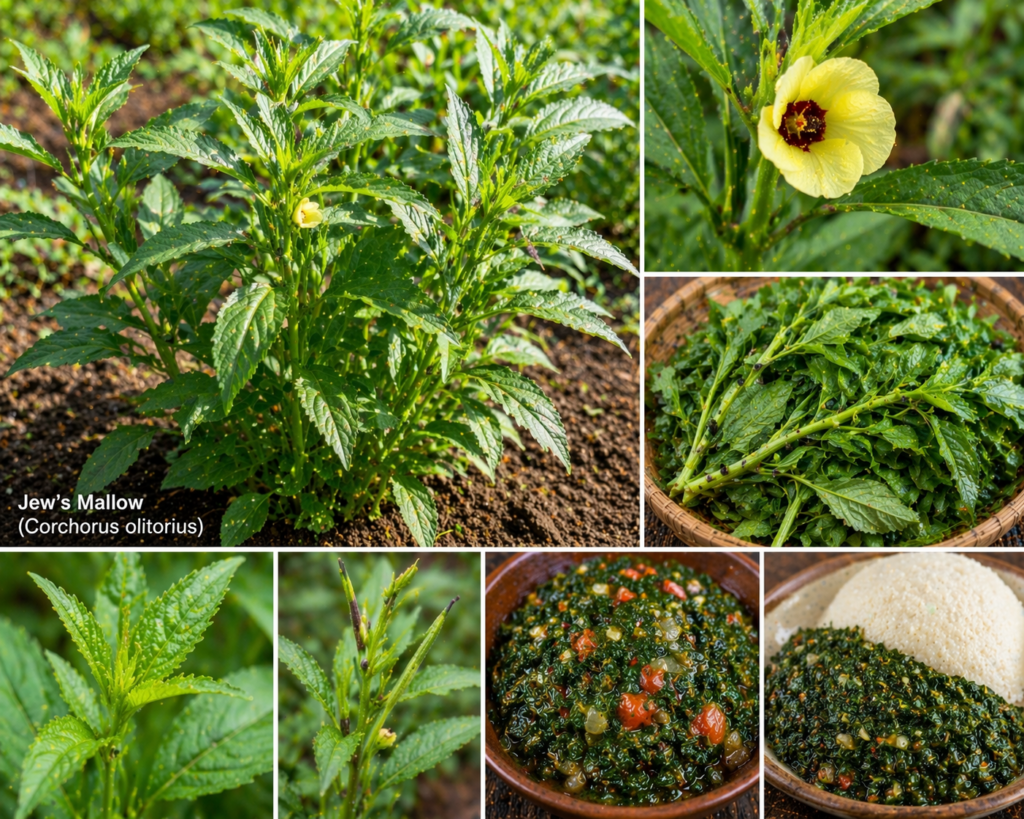
Jew’s mallow is a traditional African leafy vegetable that has nourished communities across the continent for generations. In Southern Africa it is known by several local names and is prized for its soft, silky leaves and rich, spinach-like flavour. When cooked, the leaves develop a slightly velvety, mucilaginous texture, similar to okra, making them excellent for soups, stews, and pap relishes.
Although globally associated with the famous Middle Eastern dish molokhia, this plant is equally at home in South African gardens, especially in the heat of midsummer when many commercial greens begin to bolt.
One of the best reasons to grow Jew’s mallow is that it absolutely loves heat.
While spinach and lettuce fade in the hot months, Corchorus olitorius thrives in:
For Johannesburg and most summer-rainfall regions, it can become one of the most reliable greens in the garden.
This is a fantastic cut-and-come-again leafy vegetable.
Harvest:
Regular picking encourages:
A single planting can feed a household for weeks.
Jew’s mallow is nutritionally dense and deserves much more attention in food-security gardens.
The leaves are rich in:
It is one of the best leafy greens for adding mineral diversity to maize-based meals.
This crop is wonderfully suited to warmer Gauteng summers and lower-rainfall regions because it handles heat better than most greens.
It also:
For a resilience garden, it fills the exact midsummer gap when other leafy vegetables slow down.
Once allowed to flower and set seed, Jew’s mallow often becomes a reliable volunteer crop.
After the first summer storms, seedlings frequently appear:
That makes it an ideal plant-once, enjoy-for-years green.
The leaves are wonderful:
The natural silky texture helps thicken dishes beautifully.
For a South African self-sufficiency blog, Jew’s mallow is one of the best “summer-proof” leafy greens to feature.
It gives:
Honestly, it’s one of the best alternatives to spinach for hot South African summers.
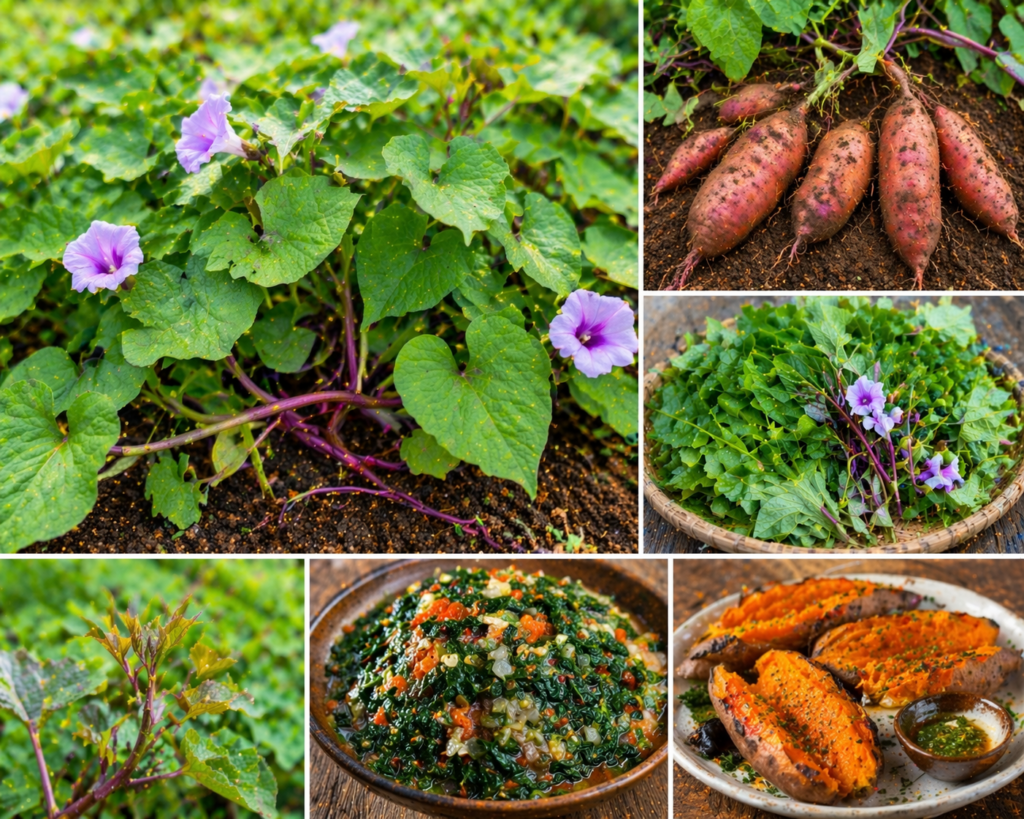
Sweet potato is one of the most productive crops a South African home gardener can grow because it provides two completely different foods from one plant. Beneath the soil, the swollen storage roots deliver a dependable source of calories, while above ground the young leaves and tender vine tips can be cooked as a highly nutritious leafy green.
In many African food traditions, the leaves are treated like spinach and cooked with onion, tomato, or groundnut paste, while the roots are boiled, roasted, mashed, or added to stews. Few crops offer such a complete “greens plus starch” system from one planting.
This is what makes sweet potato so valuable.
From one patch you can harvest:
The leaves are mild, slightly earthy, and soften beautifully when sautéed.
The roots provide a naturally sweet, filling starch that stores well and can replace potatoes in many dishes.
Sweet potato is one of the most balanced crops for a resilience garden.
The leaves are rich in:
The roots provide:
This combination makes it one of the most nutritionally complete home-grown staples.
Sweet potato thrives in:
For Johannesburg and most summer-rainfall areas, it is one of the most reliable summer staples.
Once the vines spread, they create their own cool microclimate by shading the soil.
This is why I love it as our 10th crop.
Once established, sweet potato:
For Gauteng’s increasingly erratic summer rainfall, this makes it one of the smartest climate-adapted crops to grow.
The sprawling vines act as edible ground cover.
They:
This makes sweet potato one of the best crops for passive low-maintenance gardening.
A great seasonal approach:
Harvest a few vine tips and young leaves.
Continue light leaf harvesting.
Lift roots after 4–5 months, once leaves begin yellowing.
Save healthy vine cuttings for the next planting.
This creates a nearly endless cycle.
Classic uses include:
It fits beautifully into both traditional and modern South African kitchens.
As the perfect final crop in our Top 10, sweet potato represents the following features:
Honestly, if someone only planted sweet potato, cowpeas, and morogo, they would already have a remarkably resilient South African home food system.
The most powerful lesson from these ten crops is that food security in South Africa does not need to be invented — it needs to be remembered.
For generations, our parents and grandparents grew plants that worked with the climate instead of against it. They chose crops that survived heat, handled poor soils, returned year after year, and offered more than one kind of harvest from the same space. Leaves became relish, roots became starch, seeds became protein, and every season quietly produced the seed for the next.
In a time of rising food prices, water shortages, and increasingly unpredictable weather, these traditional crops feel less like nostalgia and more like practical wisdom for the future.
Morogo, cowpeas, pumpkin leaves, sorghum, bambara groundnut, sweet potato, and the other crops in this list all prove the same point: a small South African garden can still produce real nourishment, real resilience, and real independence.
The beauty of these plants is not only that they feed us, but that they teach us a different way of thinking about abundance. A productive garden is not measured only in perfect supermarket vegetables. It is measured in how many meals come from one square metre, how well the soil improves each season, and how confidently a household can face the next dry spell.
Perhaps the real answer to modern food insecurity has been growing around us all along — in the volunteer greens beside the fence, the pumpkin vines spreading under the maize, the jugo beans hidden beneath dry soil, and the sweet potato leaves spilling over the edge of a raised bed.
Our grandmothers were not just gardening. They were designing resilience.
And perhaps the smartest thing we can do now is plant what they already knew would survive.