Physical Address
304 North Cardinal St.
Dorchester Center, MA 02124
Physical Address
304 North Cardinal St.
Dorchester Center, MA 02124

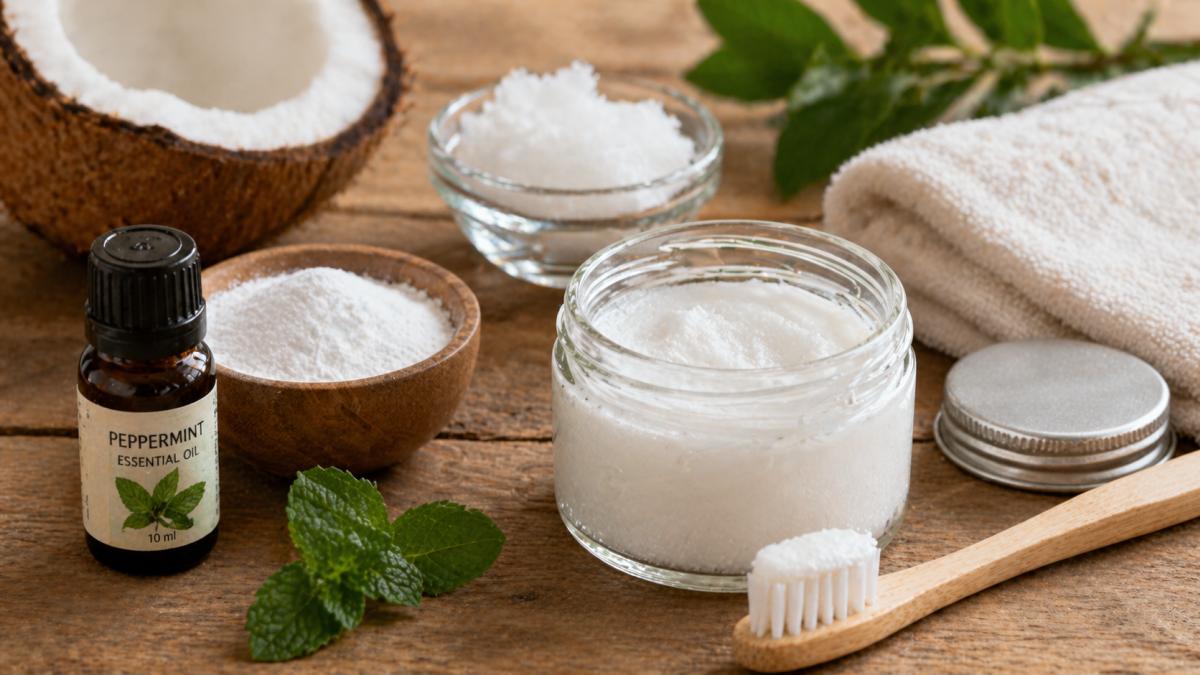
Most households in South Africa spend a surprising amount on commercial toothpaste every year. When you multiply the cost of a tube by the number of people in your home and by twelve months, it adds up. And that is before you consider what you are actually putting in your mouth. Fluoride debates aside, the average commercial toothpaste contains a list of synthetic ingredients that many people would rather avoid. The good news is that making your own toothpaste at home requires only three basic ingredients, costs almost nothing, and genuinely works. This article walks you through exactly how to do it.
The shift toward making more things from scratch is at the heart of what self-sufficiency is all about. Oral hygiene is one of those areas where homemade alternatives are not just viable, they are arguably superior. Commercial toothpastes often contain sodium lauryl sulfate, artificial sweeteners, synthetic flavourants, and preservatives. Some contain triclosan, a chemical that has raised concern among researchers for its potential hormonal effects.
Beyond the ingredient list, there is also the issue of packaging waste. Each plastic toothpaste tube is essentially non-recyclable in most municipal systems. When you make your own, you use a small glass jar that lasts indefinitely.
The three ingredients in this recipe, baking soda, coconut oil, and peppermint essential oil, are widely available at grocery stores and health shops across South Africa. Each one brings specific benefits to the formula.
Baking Soda (Sodium Bicarbonate)
Baking soda is the foundation of this toothpaste. It is mildly abrasive, which helps scrub away surface stains and plaque without damaging enamel the way harsher abrasives can. More importantly, it is strongly alkaline, which means it neutralises the acids produced by bacteria in the mouth. Tooth decay is an acid-driven process. When bacteria metabolise sugars and starches left on the teeth, they produce acids that erode enamel over time. A baking soda environment in the mouth disrupts this entire process. It also has natural antibacterial properties, reducing the populations of bacteria responsible for bad breath and gum disease.
Coconut Oil
Coconut oil serves as the carrier that binds the formula together and gives it a paste-like consistency. But it does much more than that. Coconut oil is rich in lauric acid, a medium-chain fatty acid with well-documented antimicrobial and antifungal properties. It is also the basis of oil pulling, an ancient practice that involves swishing oil around the mouth to draw out bacteria and support gum health. When you brush with this toothpaste and then rinse, you are effectively doing a light oil pull as part of your normal brushing routine. This is particularly useful for anyone dealing with inflamed gums or recurring mouth ulcers.
One practical consideration for South African users: standard coconut oil will solidify in winter, especially in cooler regions like Gauteng, the Western Cape high-lying areas, and KwaZulu-Natal during cold fronts. You can still use solid coconut oil by scraping a small amount with your toothbrush and letting it melt on contact with your mouth. If you prefer a consistently smooth paste, look for fractionated coconut oil, sold in the cooking or health section of most large retailers. Fractionated coconut oil remains liquid at all temperatures and blends more easily.
Peppermint Essential Oil
The third ingredient is what makes the toothpaste feel familiar and pleasant to use. Peppermint essential oil delivers the clean, fresh sensation that most people associate with brushing. Beyond flavour, peppermint oil has strong antibacterial and antifungal activity. Studies have shown that the active compound in peppermint oil, menthol, inhibits the growth of several oral pathogens including Streptococcus mutans, the primary bacterium involved in cavity formation.
You can substitute other food-safe essential oils if preferred. Spearmint is milder and works well for children. Clove oil is a traditional remedy for toothache and has very potent antibacterial properties, though the flavour is strong. Cinnamon oil is another option with proven antimicrobial action. Always use food-grade essential oils, not fragrance oils, since the toothpaste will be in your mouth.
The process takes about five minutes.
You will need a small clean glass jar with a lid, a fork or small spatula for mixing, baking soda, coconut oil, and peppermint essential oil.
Start by adding roughly two tablespoons of baking soda to the jar. Add around ten drops of peppermint essential oil and stir briefly. Then add coconut oil a little at a time, mixing as you go, until the texture resembles a slightly stiff toothpaste. The baking soda absorbs the oil, so you may need a bit more than you expect. If the mixture becomes too wet and oily, simply stir in more baking soda. There is no precise formula here. Adjust the ratio to suit your preference.
The finished toothpaste will last for several months at room temperature. Because there is no water in the formula, there is no environment for harmful microbial growth in the jar itself. Use a clean utensil or the back of your toothbrush to scoop a small amount rather than dipping your brush directly, which keeps the jar hygienic over time.
The taste of this toothpaste is predominantly salty, which adults adapt to quickly. For children, or anyone who wants a slightly sweeter flavour, you can add a powdered sweetener. Xylitol powder is an excellent choice here because it actively inhibits Streptococcus mutans, the same bacteria that causes cavities. It does not feed oral bacteria the way sugar does, which means it adds sweetness while contributing to the antibacterial effect of the paste. Powdered monk fruit and powdered stevia are also suitable options.
The critical rule is to use only dry, powdered sweeteners. Do not add honey, agave, or any liquid sweetener to the formula. Because the paste contains no water, it relies on the dry baking soda and oil to stay stable. Introducing any moisture will cause the baking soda to activate and the mixture to separate, leaving you with a lumpy, oily mess. Keep everything dry and the paste will stay smooth and consistent.
One of the most compelling claims about this kind of toothpaste is that it can support the remineralisation of early-stage cavities. This is not as far-fetched as it sounds. Tooth enamel is a dynamic tissue. In the early stages of decay, before a cavity has progressed through the enamel into the dentine, the process can be reversed if the acidic environment is eliminated and the right minerals are available. Baking soda addresses the acid side of the equation. Supporting mineralisation through diet, particularly adequate calcium, phosphorus, and fat-soluble vitamins, addresses the other side.
This is consistent with broader principles of self-sufficient health: the body has significant capacity to heal itself when the root causes of a problem are removed. If you are interested in the dietary angle of dental health, the work on ancestral nutrition and fat-soluble vitamins like K2 and D3 is worth exploring further.
Making your own toothpaste is one small but satisfying step toward reducing dependence on commercial products. It fits naturally alongside other DIY household projects like making your own fire starters, growing food on a balcony, or producing your own kefir and fermented foods.
If you are building out a self-sufficient pantry, baking soda is one of the most versatile items you can stock in bulk. It features in cleaning products, baking, deodorising, and now oral care. Buying a kilogram at a time from a wholesale supplier makes it genuinely negligible in cost per use.
For a broader look at building household resilience through simple skills and stocked essentials, take a look at our article on building a South African self-sufficiency pantry.
The barrier to trying this is essentially zero. A small jar of baking soda, a bottle of fractionated coconut oil, and a vial of food-grade peppermint essential oil will cost you less than two standard tubes of commercial toothpaste and will last significantly longer. Mix a small batch, use it for two weeks, and see how your mouth feels. Most people notice whiter teeth, fresher breath, and healthier gums within the first few weeks of switching. Once you have made the transition, it is very hard to go back.