Physical Address
304 North Cardinal St.
Dorchester Center, MA 02124
Physical Address
304 North Cardinal St.
Dorchester Center, MA 02124


Gourmet mushrooms have quietly become one of the more expensive items in the fresh produce aisle. At most South African retailers, oyster mushrooms can set you back anywhere from R80 to R150 per 200g punnet. That adds up fast, especially when you start using them regularly in cooking. What most people do not know is that cardboard, the kind your last online order arrived in, is one of the most effective growing substrates for oyster mushroom mycelium. With a few rand worth of spawn and a recycled box, you can produce several kilograms of fresh mushrooms every month, right inside your home.
This is not a gimmick. It is grounded in fungal biology, and the method has been refined by small-scale growers around the world. Here is everything you need to get started.
Cardboard is made almost entirely of cellulose, which happens to be the primary food source that oyster mushroom mycelium breaks down in the wild. In a forest, mycelium colonises dead wood and leaf litter. In your spare room, it does the same thing with corrugated cardboard, consuming the fibres and the adhesive holding the layers together.
The corrugated structure is actually an advantage. Those tiny internal air channels allow gas exchange throughout the block, which keeps the mycelium healthy during colonisation. It is a forgiving medium that holds moisture well, drains excess water easily, and costs nothing.
Compare this to commercial grow kits, which can cost upward of R800 per block. The cardboard method delivers comparable yields at a fraction of the price, and you can keep the operation going indefinitely through simple cloning techniques.
The materials list is short and inexpensive.
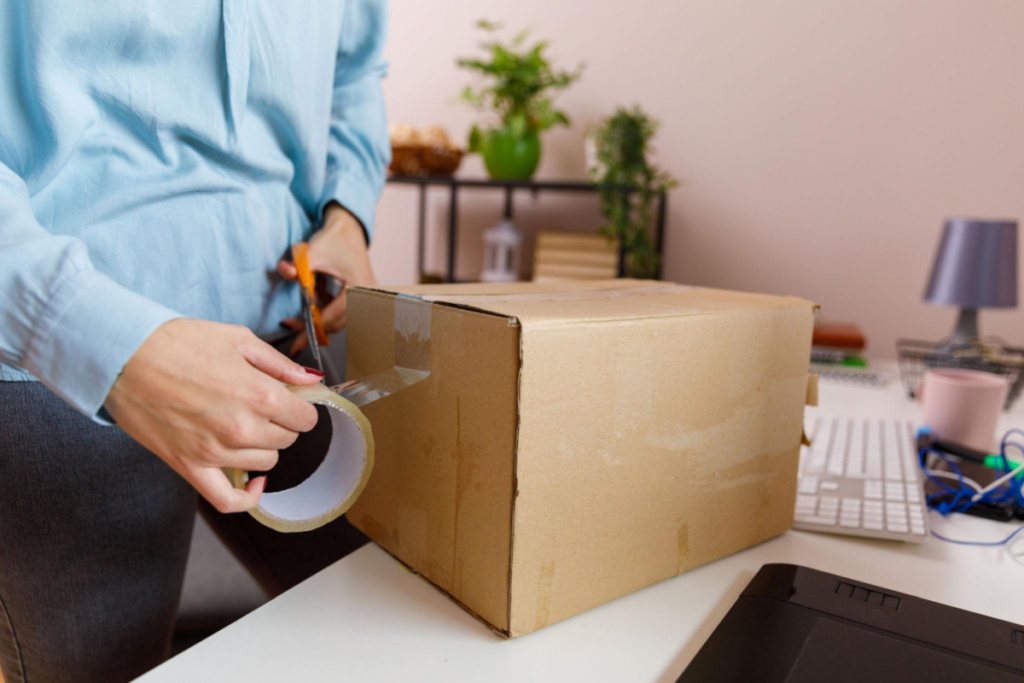
A plain corrugated cardboard box. Remove all tape, plastic labels, and any sections with glossy or coloured printing before use. These coatings and adhesives can contain compounds that inhibit mycelium growth or introduce contaminants. Plain brown kraft cardboard is ideal.
Oyster mushroom spawn. This is the only item you will likely need to purchase. Spawn is live mycelium growing on a grain or sawdust carrier, and it functions as your seed. A 500g bag is typically sufficient to inoculate two or three medium boxes. Pearl oyster and blue oyster varieties are recommended for beginners because they colonise quickly and tolerate variable conditions well. Pink oyster is better suited to warmer climates and performs well during South African summer months.
Water. Tap water works fine. If your municipal supply is heavily chlorinated, leave it in an open container for a few hours before use to allow the chlorine to off-gas.
Used coffee grounds (optional but recommended). Coffee grounds are pasteurised during brewing, which means they arrive essentially sterile. They are nutrient-dense and integrate well with cardboard as a supplemental layer, often boosting yield noticeably. Many coffee shops will give away their spent grounds for free if you ask.
For a comprehensive look at food preservation and production methods that complement this kind of home growing, see our guide on building a self-sufficient food system in South Africa.
The layering process is simple and takes about 20 minutes.
Start by tearing or shredding your cardboard into rough hand-sized pieces. Remove any inner plastic liners or foam padding. Submerge the cardboard pieces in a bucket of clean water and leave them to soak for at least an hour, preferably overnight. The fibres need to be fully saturated before layering.

Before you begin building, check the moisture level. Pick up a piece of soaked cardboard and squeeze it as firmly as you can. A few drops of water should emerge. If it drips continuously, it is too wet and needs to be pressed out further. If it feels dry to the touch, soak it for longer. Getting this balance right is the single most important step in the entire process.

Once your cardboard is at the right moisture level, begin layering inside the box. Place a flat layer of damp cardboard at the base, then scatter a generous amount of spawn evenly across the surface. Repeat this process, alternating cardboard and spawn, until the box is filled to near the top. Use between 200g and 300g of spawn for a medium-sized box. If you are adding coffee grounds, include a thin layer at every other spawn level.

Fold the top flaps loosely shut and use a pencil or screwdriver to poke 12 to 15 small holes around the sides of the box, spaced roughly evenly. These ventilation holes allow carbon dioxide to escape and fresh air to enter, which the mycelium needs to thrive.
Find a location that stays between 15 and 24 degrees Celsius and receives no direct sunlight. Under a kitchen sink, inside a cupboard, in a shaded garage corner, or in a cool spare room all work well. Direct sun dries the block out too quickly and can overheat the mycelium.
Maintenance is genuinely minimal. Lightly mist the outside of the box and through the ventilation holes every two to three days using a spray bottle. You are not trying to soak the cardboard again, just maintain humidity inside the block.
The growth cycle moves through three clear stages.
During the first two weeks, the mycelium colonises the cardboard. You will notice white, fluffy growth spreading through the box and eventually becoming visible through the ventilation holes. This is healthy mycelium and exactly what you want to see.
Between days 14 and 21, tiny pin heads begin forming, usually emerging through the air holes or any gaps in the cardboard. These are the early fruiting bodies. At this stage, increase your misting frequency slightly and ensure there is some fresh air movement near the box.

By days 21 to 28, those pins will have grown into full clusters ready for harvest. The first flush from a medium box typically produces between 1.5 and 3 kilograms of fresh mushrooms.
Harvest clusters just before the edges of the caps begin to curl upward, which is the point of peak flavour and texture. Grip the base of the cluster and twist gently while pulling. This motion stimulates the mycelium and signals it to begin the next reproductive cycle more quickly than cutting would.
After each flush, mist the box lightly and leave it alone for 7 to 14 days. A healthy block will produce between four and six distinct flushes before the cardboard is fully exhausted. When yields begin to taper off, you can extend the block’s productive life by tucking in additional soaked cardboard or a fresh layer of coffee grounds.
To keep production continuous, start a new box every two weeks. Three staggered boxes running simultaneously can reliably supply a household with fresh mushrooms week after week.
One of the most practical techniques for ongoing cultivation is cloning. Take a small interior piece from a healthy mushroom cluster and tuck it between layers of fresh damp cardboard in a new box. The living mycelium from that fragment will colonise the new block exactly as purchased spawn would. Done carefully, this allows you to maintain an ongoing supply without ever buying spawn again after your initial purchase.
According to research published by the University of Minnesota Extension, oyster mushrooms are among the most adaptable species for small-scale and indoor cultivation, making them ideal for home growers with limited space or equipment.
The financial argument for home cultivation is clear, but the nutritional case is equally strong. Oyster mushrooms contain all nine essential amino acids, classifying them as a complete protein source, which is notable for a plant-based food. They are also a meaningful source of B vitamins, potassium, and iron.
Perhaps most significantly, oyster mushrooms are rich in beta-glucans, a class of soluble fibre compounds that have been shown in clinical research to support immune function. A study in the International Journal of Medicinal Mushrooms found that beta-glucans from oyster mushrooms demonstrated meaningful immunomodulatory activity in controlled conditions.
A mushroom harvested from your own box and cooked within hours will also taste noticeably better than a punnet that spent a week in transit and cold storage. Freshness matters significantly with mushrooms, which deteriorate faster than most vegetables.
Once you are comfortable with one box, scaling is straightforward. A rotation of three to four boxes at different stages of development can produce enough mushrooms to eliminate the grocery spend on fresh produce almost entirely. Some growers find they have surplus to share with neighbours or sell locally.
The cardboard method is also environmentally sensible. It recycles packaging waste, requires no pesticides, produces no plastic packaging, and has virtually no carbon footprint beyond the initial spawn purchase. For anyone building a more self-sufficient household, it fits neatly alongside other food production strategies.
For more information on getting the most out of small-scale mushroom production, Rodale Institute’s guide to home mushroom cultivation offers practical supplementary advice.
The entry cost is low, the learning curve is short, and the payoff is tangible within a month. A cardboard box and a bag of spawn is genuinely all it takes to start.