Physical Address
304 North Cardinal St.
Dorchester Center, MA 02124
Physical Address
304 North Cardinal St.
Dorchester Center, MA 02124


Solar panels and a rocket stove cover two of the three legs of household independence in South Africa. Power and cooking. The third leg, which most households still leave entirely to a municipal pipeline, is water. And in a year where Rand Water has pushed through a 15.3% tariff increase and municipalities across the country are passing the cost through to ratepayers, leaving that pipeline as your only source is starting to look both expensive and risky. Rainwater harvesting is not a fringe hippie project. Done correctly, it is a pragmatic infrastructure decision with a calculable payback period, and most of South Africa's climate is far better suited to it than people assume.

There is a strange disconnect in modern South African life. We have spent the past three years watching egg prices swing wildly. We have lived through avian flu shortages where Pick n Pay shelves stood empty. We have absorbed feed inflation, fuel surcharges, and load shedding penalties baked into every dozen we buy. And yet the obvious answer, the one our grandparents would not have thought twice about, is sitting in the back garden behind a low fence: keep your own hens.

There is a complete, daily food system sitting in the bulk section of almost every grocery store. It costs less than a taxi ride, needs no electricity, no soil, and no equipment beyond a jar and water. It produces fresh, living food every single day with less than five minutes of effort. It has been used for centuries, validated by food science, and largely ignored by the modern supplement industry for one simple reason. There is nothing to sell. This is not a trend. It is a biological process you can run in your kitchen starting tomorrow morning.

Store-bought mayonnaise is one of those products that looks simple on the surface but hides a surprisingly long list of ingredients once you flip the jar around. Canola oil, modified starch, artificial preservatives, and flavourants you cannot pronounce tend to make up the bulk of commercial mayo. When you make your own at home, you control every single ingredient, you know exactly what goes in, and the result is a condiment that tastes completely different to anything you will find on a supermarket shelf.
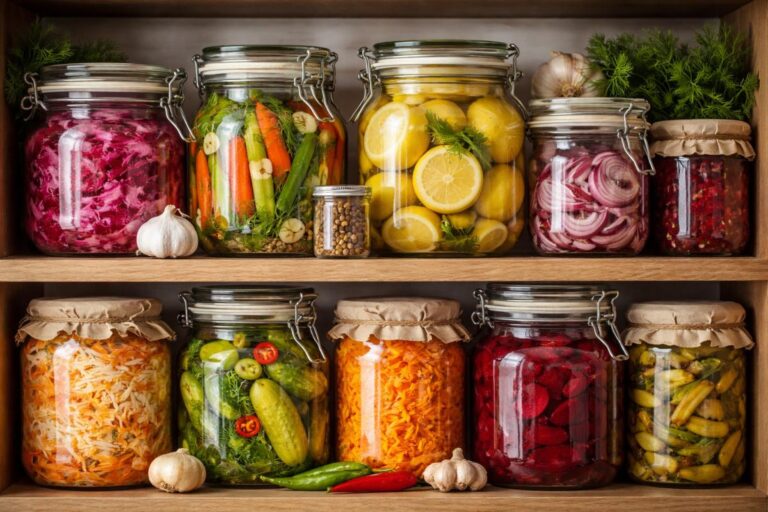
If you grow beetroot and carrots in your South African garden, you already know the problem: they all come ready at the same time, and there is only so much you can roast, juice, or eat fresh before the harvest starts going to waste. Fermentation solves that problem completely. A few minutes of prep, some salt, a glass jar, and you have a living, gut-friendly preserve that will keep for months and actually improve with age. This guide walks you through everything you need to know to ferment beetroot and carrot at home, from the science behind why it works, to choosing the right salt ratio, to knowing when your jar is ready to eat.

Most store-bought soap is loaded with synthetic detergents, artificial fragrance, and preservatives that your skin was never designed to handle. The alternative is simpler, cheaper, and more satisfying than you might think. Making your own soap from sunflower oil is one of the most accessible home chemistry projects you can tackle, and in South Africa it is particularly practical because sunflower oil is widely available, grown locally, and costs a fraction of the imported specialty oils that most soap tutorials call for. This guide walks you through everything you need: the science, the safety, the equipment, the recipe, and the process from start to finish.
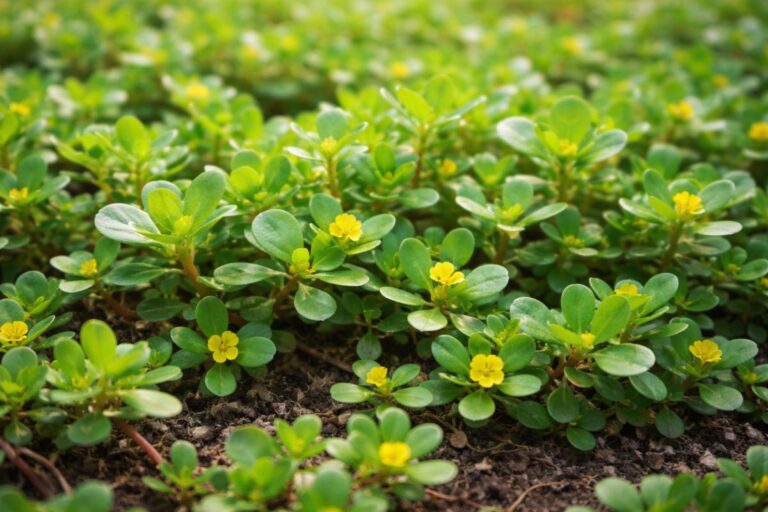
Most South African gardeners pull it out without a second thought. It appears between vegetable rows, creeps along pathways, and carpets bare soil after summer rain with its fat, succulent leaves and reddish stems. Purslane (Portulaca oleracea) has been dismissed as a garden nuisance for generations, yet it is one of the most nutritious edible plants on the planet and one that thrives in our climate with absolutely zero effort on your part. If you are serious about growing and foraging your own food, purslane deserves a place not just in your weed bin, but on your plate.

You do not need a farm or a forest to find free food in South Africa. It grows in the cracks of pavements. It lines the verges of gravel roads. It pushes through fences and spills across vacant lots. Wild edible plants are everywhere, and most people walk right past them every day. Roadside foraging is not a survival gimmick. It is an old skill that generations of South Africans practised before supermarkets existed. Grandmothers knew these plants by name. Children were taught to recognise them before they could read. That knowledge is still relevant. In fact, with food prices rising and interest in self-sufficiency growing, it is becoming relevant again.

The price of coffee is quietly becoming a household budget problem. Arabica futures hit record highs in early 2025, and South African consumers are feeling that squeeze at the shelf. A 250g bag of decent ground coffee that cost R80 two years ago now sits closer to R130 in most stores, and analysts are not predicting a reversal. The reasons are structural: Brazil endured its worst drought in 70 years, Vietnam's robusta harvest dropped by 20% after devastating floods, and three consecutive years of global deficits have drained international stockpiles. A PLOS ONE climate study found that by 2050, up to 56% of land currently suitable for Arabica production will no longer support the crop. In the hottest growing zones, that figure climbs to 80%.

Protein does not have to come from a packet of whey powder or a tray of chicken breasts from the supermarket. Long before processed food entered the picture, African farmers, homesteaders, and communities fed themselves well on the protein locked inside seeds, beans, and leaves that grow easily in our soils. If you are building a more self-sufficient life, whether on a small plot in Limpopo, a suburban garden in Gauteng, or a larger smallholding in the Eastern Cape, understanding which plants give you the most protein per gram is one of the most practical pieces of knowledge you can have.