Physical Address
304 North Cardinal St.
Dorchester Center, MA 02124
Physical Address
304 North Cardinal St.
Dorchester Center, MA 02124

In the quest for greater self-reliance, many South Africans are looking beyond traditional utilities and finding creative ways to meet everyday needs. One surprising ally in this pursuit is the FNB eBucks loyalty programme. While most people associate eBucks with discounts on groceries or fuel, a growing number of self-sufficiency enthusiasts are discovering that those points can be redirected toward the things that actually build resilience: solar batteries, water harvesting systems, and the tools that keep a homestead productive. This article looks at how you can turn everyday spending into a tangible boost for your homestead, drawing on real-world examples while offering a fresh angle for the self-reliant household.
Self-sufficiency is not just about growing your own vegetables or bolting solar panels to the roof. It is also about trimming the ongoing expenses that quietly erode the financial independence you are working to build. Every rand saved on electricity, water, or fuel is a rand you can reinvest into expanding the garden, upgrading your rainwater catchment, or stocking up on heirloom seeds. Loyalty programmes like eBucks act as a rebate on spending you would do anyway, converting routine purchases into a small but steady pool of resources you can aim at projects that increase your resilience.
When you start treating eBucks as a supplemental resource stream rather than a discount card, the mindset shifts from “saving a few rand” to “funding the next phase of my homestead.” That shift encourages deliberate choices, such as picking partner retailers that line up with your goals, and it turns the slow accumulation of points into a purposeful activity rather than an afterthought.
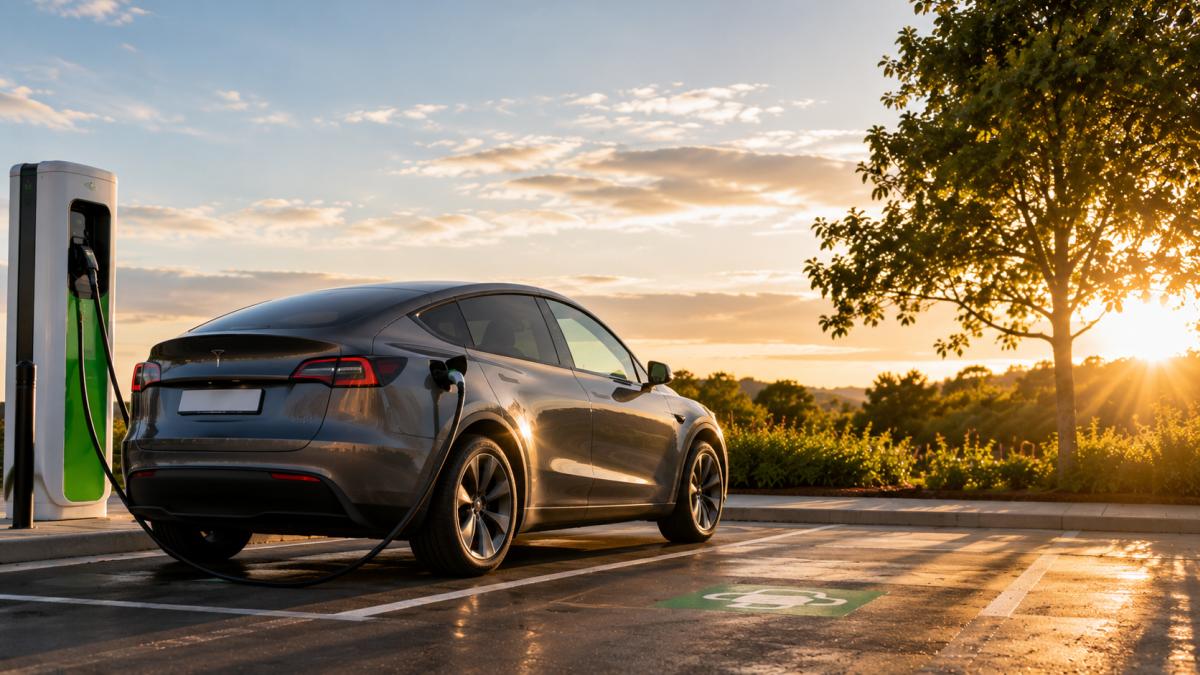
A widely shared MyBroadband account of powering an electric car on eBucks earned from petrol described how one EV owner used his points to charge his car at home. For a self-sufficiency-focused household, the same principle applies to almost any electrical system you run. The mechanics are straightforward:
By treating fuel as a deliberate contribution to your energy reserve rather than a sunk cost, you turn a necessary expense into a small lever for greater autonomy.
Groceries are the other regular outflow that can be harvested for points. Pick n Pay is a long-standing eBucks partner, earning points on both in-store purchases and online orders through its delivery service. A household spending a few thousand rand a month across the two channels can accumulate a meaningful eBucks balance over the course of a year, which is enough to take a real bite out of a homestead upgrade.
For a self-reliant home, those points can be steered toward:
The trick is to read each grocery receipt not as a record of what you consumed but as a small voucher toward the next item on your self-sufficiency checklist.
Most off-grid setups pair panels with battery storage, and battery capacity is usually the constraint that decides how many overcast days you can ride out before you reach for the grid or a generator. This is where a points strategy earns its keep.
Treated this way, eBucks becomes a flexible top-up line for your energy system rather than a novelty, and the whole setup grows more resilient to whatever the weather throws at it.
The original EV story centred on charging a car, but the self-sufficiency angle widens the idea to the machinery that actually runs a homestead.
Extending the points-to-electricity model across your equipment knits everything into one system, where daily spending quietly feeds several parts of the operation at once.
Real self-sufficiency thrives on redundancy. Leaning on a single point of failure, whether that is a solar array, a battery bank, or a grid connection, leaves you exposed. A sensible points strategy adds a useful extra layer:
This tiered approach means that if one component underperforms, the others can carry the load, keeping the essentials, lighting, refrigeration, and water pumping, running without drama.
If you are ready to fold eBucks into your self-sufficiency plan, work through this checklist:
Handled as a deliberate budget line rather than a happy accident, eBucks turns ordinary spending into a concrete step toward autonomy.
Most talk about loyalty points fixates on instant discounts: cheaper coffee, a free movie, a trimmed airfare. For the self-sufficiency mindset, the real value is the ability to redirect those rewards toward assets that compound your resilience over time. When you see each point as a tiny building block for a larger system, be it a water tank, a panel, or a tool, you move from passive consumption to active construction.
That reframe also makes you a more intentional shopper. Rather than grabbing the cheapest option every time, you might choose a slightly pricier item at a partner retailer because the eBucks earned will claw back part of the cost. Across months and years, those small decisions compound into upgrades that capital constraints might otherwise have kept out of reach.
The road to self-sufficiency rewards creativity, persistence, and a willingness to spot opportunity in the mundane. FNB eBucks, so often dismissed as a simple discount card, can become a genuinely useful tool in the modern homesteader’s kit, turning fuel fills, grocery runs, and routine spending into resources for water, solar, and equipment. With a deliberate earning and redeeming strategy, honest tracking, and a bit of community sharing, you strengthen your own resilience and add to a growing movement of South Africans rethinking what it means to live independently.
Start today: pull up your latest fuel slip, check your eBucks balance, and picture how those points could power the next improvement on your homestead. The next tank of petrol or basket of groceries might just be the spark that charges your off-grid future.
For more on building a resilient homestead, see our guide to rainwater harvesting.
Disclaimer: This article is for general information only and does not constitute financial advice. eBucks earn rates, reward tiers, partner offers, and redemption options are set by FNB and its partners and change regularly, so confirm the current terms in the eBucks app or with FNB before making decisions. Fuel and electricity prices, promotional campaigns, and equipment costs mentioned here were accurate at the time of writing and may since have changed. selfsustain.co.za is not affiliated with, endorsed by, or sponsored by FNB, eBucks, Engen, or any retailer named above.