Physical Address
304 North Cardinal St.
Dorchester Center, MA 02124
Physical Address
304 North Cardinal St.
Dorchester Center, MA 02124

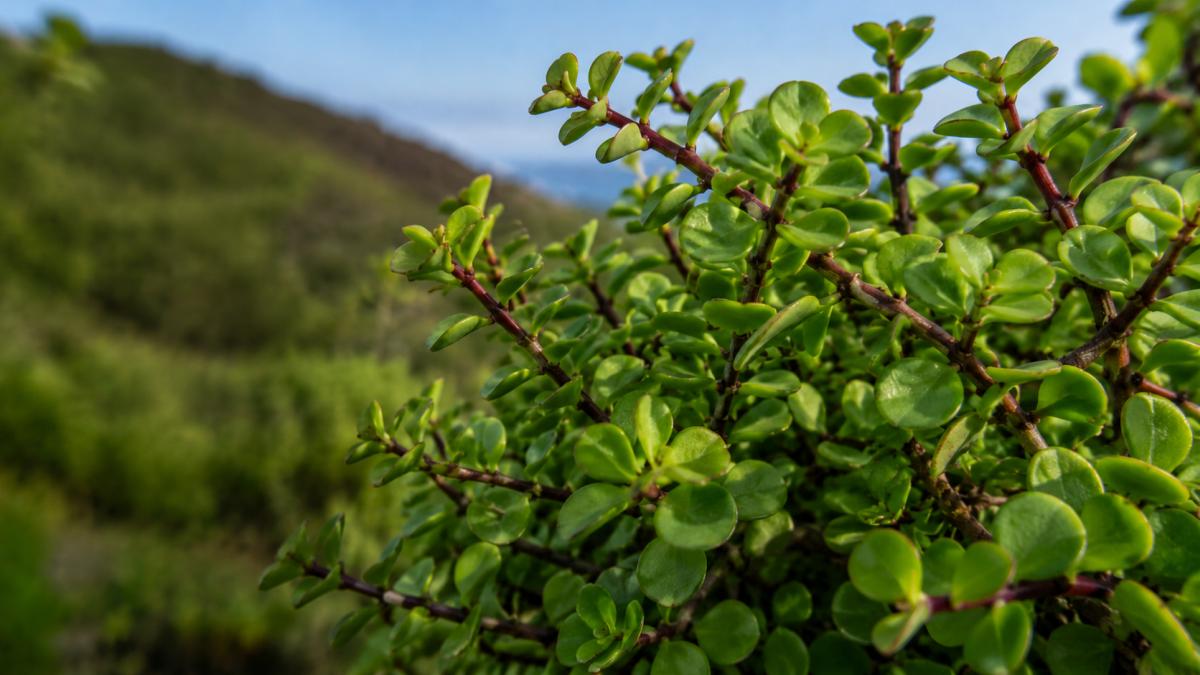
Most South Africans know spekboom as the carbon-sucking succulent that gets planted at corporate green days and Earth Hour events. What gets forgotten in all the climate hype is that Portulacaria afra has been feeding people, livestock, and wildlife on this land for thousands of years. Long before it became a poster plant for offset schemes, the Khoi and San harvested its tangy leaves on long treks across the Eastern Cape, and Karoo farmers leaned on it through brutal droughts when nothing else would grow.
For anyone serious about food resilience, that history matters. A plant that survives on minimal rainfall, propagates from a broken twig, lives for two centuries, and packs more vitamin C than most lettuce deserves more than a token shrub in the corner of the garden. It deserves a place in the survival pantry.
The South African climate is getting harsher, not gentler. Day Zero in Cape Town, the Eastern Cape water crisis, Gauteng’s load reduction stress on boreholes, and the slow desiccation of summer rainfall regions all point in the same direction. Crops that need pampering are going to struggle. Crops that thrive on neglect are going to feed people.
Spekboom is exactly that kind of crop. According to the City of Cape Town’s spekboom information booklet, the plant uses a clever photosynthetic trick called Crassulacean Acid Metabolism (CAM), which lets it keep pulling carbon dioxide out of the air even when other plants have shut their pores against heat and drought. That CAM pathway is the difference between an ornamental and a survival crop. While your spinach is wilting in a heatwave, spekboom is quietly growing.
It also asks nothing of you. No fertiliser regime. No spray programme. No irrigation schedule beyond a splash during the establishment phase. And unlike annual vegetables that have to be replanted every season, a single spekboom hedge can feed a household for decades.
Spekboom’s edible history is older than written record. Indigenous communities in the Eastern Cape and Karoo chewed the leaves to quench thirst on long walks, sucked them to recover from heat exhaustion, and added them to whatever stew was on the fire. Colonial settlers picked up the habit from Khoi guides and trekboers, and the plant kept showing up in farm kitchens long after most of its uses were forgotten.
Karoo Ridge Conservancy records a long list of traditional uses, from sucking the leaves to treat exhaustion through to applying poultices to skin complaints and even using the plant to support nursing mothers. That is not a niche garnish. That is a whole apothecary in one shrub.
The modern South African food system has more or less amnesia about all of this. We import lemons from Spain in winter while a hedge full of vitamin C grows along the boundary fence. We buy isotonic energy drinks for hikes when a single fleshy leaf does the same job for free. Recovering that knowledge is part of what self-sufficiency actually means.
The traditional reputation has now been backed up by lab work. A 2023 review in Agronomy by Du Toit and colleagues at the University of the Free State analysed spekboom as a sustainable food source for Southern Africa and confirmed that the leaves are rich in vitamin C, low in fat and sugar, and resilient enough to be processed into preserves, chutneys, pickles, and spice blends without losing their nutritional punch. The researchers framed the plant explicitly as an answer to regional food insecurity, a wild edible that grows where conventional crops fail.
The flavour profile sits somewhere between sorrel and a granny smith apple. Leaves picked in the cool morning are noticeably more acidic than leaves picked in the heat of the afternoon, a quirk of the CAM photosynthesis cycle. Harvest in the morning if you want the sour kick for a salad, or in the evening if you want a milder mouthful.
A few practical numbers worth knowing. Spekboom is high in moisture but has low water activity, which means it stores reasonably well after picking. It contains trace minerals including manganese and cobalt. The leaves are non-toxic to humans, dogs, and livestock, so there is no anxious learning curve about portions or interactions.
The trick to making spekboom a real food crop rather than a curiosity is putting it in dishes you already make. Here are the uses that earn it cupboard space.
Fresh in salads. Strip a handful of leaves, rinse, and toss them in. They behave like a cross between baby spinach and a citrus dressing all in one. They pair beautifully with feta, tomato, cucumber, and avocado.
Stew brightener. Stir a generous handful into a slow-cooked oxtail, lamb knuckle, or vegetable stew in the last ten minutes. The acidity cuts through fat and adds a layer of brightness that lemon juice tries and often fails to deliver.
Pickles and preserves. The kitchen team at Babylonstoren in Franschhoek has popularised spekboom in fine dining, using the leaves from their farm hedges as preserves and garnish. A simple vinegar pickle (white vinegar, salt, sugar, peppercorns, mustard seed) gives you a tart relish that keeps for months in the cupboard.
Spekboom pesto. Blitz two cups of leaves with garlic, olive oil, sunflower seeds (or pine nuts if you have them), a hard cheese, and a pinch of salt. The natural acidity of the leaves means you can skip the lemon juice that normal basil pesto needs.
Smoothie boost. Half a cup of leaves disappears into a banana and yoghurt smoothie and quietly adds vitamin C and moisture. Useful for hot-weather hydration.
Hiker’s snack. Pick three or four leaves on the trail and chew slowly. It is the closest thing to a free electrolyte hit you will find in the veld.
The traditional medicine cabinet around spekboom is broader than most modern herbalists realise. Suck a leaf for heat stroke or dehydration. Crush a few leaves into a paste and apply to insect bites or sunburn for cooling relief. Hold chewed leaf juice against a mouth ulcer or sore throat. Apply the gel-like inner flesh of a thicker stem to small cuts or grazes the way you would aloe vera.
None of this replaces a proper first aid kit or a doctor when the situation is serious. But for the kind of bumps, scrapes, and low-level discomforts that come with living rurally or off-grid, having a hedge of free medicine at the back door is exactly the resilience layer this site exists to promote. If you are building out a broader plant-based emergency kit, our guide to South African foraging staples covers the wider context.
Propagating spekboom is so easy it feels like cheating. Snap off a branch between 5cm and 15cm long, strip the bottom two pairs of leaves, leave the cutting on a shelf for a day or two so the wound calluses over, then push it into the ground or into a pot of well-drained sandy soil. Water lightly. Within three or four weeks it has rooted.
A few practical pointers for the South African gardener.
It loves sun. Plant it where it gets at least six hours of direct light. It tolerates Highveld frost better than most succulents but it does not love it, so plant against a north-facing wall for protection in Centurion, Pretoria, and Johannesburg gardens. It cannot handle waterlogged soil, so raise the bed or pick a different position if your spot turns into a puddle after a thunderstorm. It propagates so freely you can build a fifty-metre hedge in two seasons from a single mother plant.
The carbon credentials are a bonus. Stodels Nursery notes that a single dense stand of spekboom can absorb as much carbon as a forest of deciduous trees, and the plant gets by on as little as 350mm of rain a year. Your food crop is pulling its weight on the climate side at the same time.
Plant it as a boundary hedge, a windbreak, a chicken-run perimeter, a firebreak on fire-prone properties, or as a multi-purpose feature in a permaculture food forest. The same plant gives you food, medicine, shade, animal fodder, and a carbon sink all at once.
The argument for spekboom is not that it replaces your veggie patch. It is that it sits underneath the veggie patch as a fail-safe. When the rain does not come, when the borehole stutters, when the supply chain hiccups again, the hedge keeps producing. Goats and chickens can graze the lower branches in a pinch. People can chew the upper ones. Cuttings can be traded with neighbours building their own resilience.
For a household running off-grid solar, harvesting rainwater into JoJo tanks, and trying to keep food costs sane in a country where vegetable prices climb every quarter, spekboom is the easiest insurance policy on the property. Plant it now. Eat from it next year. Pass cuttings to your neighbours and watch a whole street get more resilient, one snipped branch at a time.
That is what the miracle plant is actually for.